


- Afhalen na 1 uur in een winkel met voorraad
- Gratis thuislevering in België vanaf € 30
- Ruim aanbod met 7 miljoen producten
- Afhalen na 1 uur in een winkel met voorraad
- Gratis thuislevering in België vanaf € 30
- Ruim aanbod met 7 miljoen producten





€ 305,45
+ 610 punten
Uitvoering
Omschrijving
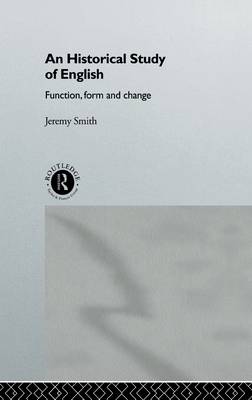
Through his analysis of selected major developments in the history of English, Jeremy Smith argues that the history of the language can only be understood from a dynamic perspective. He proposes that internal linguistic mechanisms for language change cannot be meaningfully explained in isolation or without reference to external linguistic factors.
Smith provides the reader with an accessible synthesis of recent developments in English historical linguistics. His book: Looks at the theory and methodology of linguistic historiography . Considers the major changes in writing systems, pronunciation and grammar. Provides examples of these changes, such as the standardisation of spellings and accent and the origins of the Great Vowel Shift Focuses on the origins of two non-standard varieties; eighteenth century Scots and twentieth century British Black English.This book makes fascinating reading for students of English Historical linguistics, and is an original, important and above all, lively contribution to the field.
Smith provides the reader with an accessible synthesis of recent developments in English historical linguistics. His book: Looks at the theory and methodology of linguistic historiography . Considers the major changes in writing systems, pronunciation and grammar. Provides examples of these changes, such as the standardisation of spellings and accent and the origins of the Great Vowel Shift Focuses on the origins of two non-standard varieties; eighteenth century Scots and twentieth century British Black English.This book makes fascinating reading for students of English Historical linguistics, and is an original, important and above all, lively contribution to the field.
Specificaties
Betrokkenen
- Auteur(s):
- Uitgeverij:
Inhoud
- Aantal bladzijden:
- 244
- Taal:
- Engels
Eigenschappen
- Productcode (EAN):
- 9780415132725
- Verschijningsdatum:
- 17/10/1996
- Uitvoering:
- Hardcover
- Formaat:
- Genaaid
- Afmetingen:
- 156 mm x 234 mm
- Gewicht:
- 517 g


Alleen bij Standaard Boekhandel
+ 610 punten op je klantenkaart van Standaard Boekhandel
Cadeau

AANGERADEN


Beoordelingen
We publiceren alleen reviews die voldoen aan de voorwaarden voor reviews. Bekijk onze voorwaarden voor reviews.