


- Afhalen na 1 uur in een winkel met voorraad
- Gratis thuislevering in België vanaf € 30
- Ruim aanbod met 7 miljoen producten
- Afhalen na 1 uur in een winkel met voorraad
- Gratis thuislevering in België vanaf € 30
- Ruim aanbod met 7 miljoen producten





€ 7,95
+ 15 punten
Omschrijving
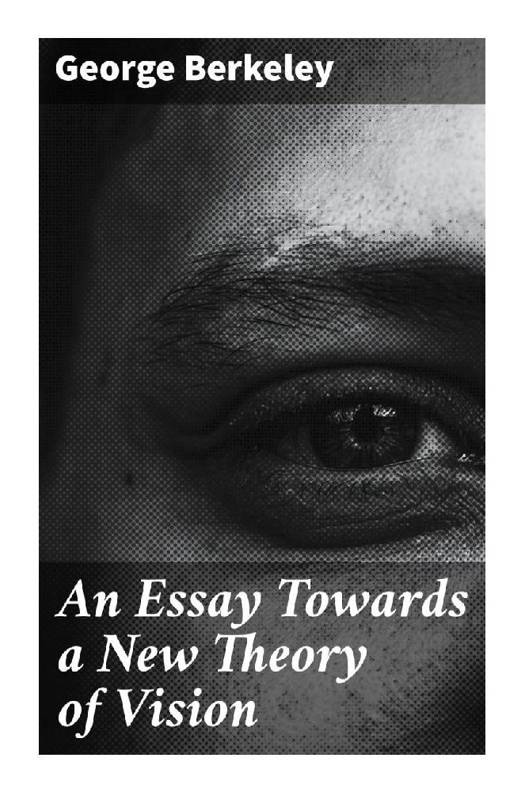
In "An Essay Towards a New Theory of Vision," George Berkeley embarks on a profound exploration of visual perception, challenging prevailing metaphysical notions while laying the groundwork for modern theories of sight and understanding. His literary style fuses philosophical rigor with empirical observation, presenting a meticulously reasoned argument that emphasizes the relationship between objects in space and human perception, thereby dismantling the assumption of sight as a mere reflection of external reality. Drawing from notable advancements in optics and ideas prevalent in early 18th-century philosophy, Berkeley's work integrates empirical data with introspective analysis, positing that vision is not merely about receiving images but involves a complex process of interpreting sensory input. George Berkeley, an influential Irish philosopher and bishop, was deeply interested in the foundations of knowledge and perception, influenced by his contemporaries Locke and Hume. His background in theology and philosophy informed his views on the nature of reality, leading him to question the materialist outlook of his time. Berkeley's unique perspective arose from his belief that physical objects exist only as perceived, a radical notion that propelled him to explore the implications of visual experience in-depth. This groundbreaking text is essential for anyone intrigued by the intersections of philosophy, psychology, and the sciences of vision. Readers will find Berkeley's arguments compelling and thought-provoking, encouraging them to reevaluate their perceptions of reality. It is a pivotal work that resonates with contemporary discussions in cognitive science and philosophy, making it indispensable for scholars and casual readers alike.
Specificaties
Betrokkenen
- Auteur(s):
- Uitgeverij:
Inhoud
- Taal:
- Engels
Eigenschappen
- Productcode (EAN):
- 9788027292059
- Uitvoering:
- Paperback
- Afmetingen:
- 152 mm x 229 mm
- Gewicht:
- 81 g



Alleen bij Standaard Boekhandel
+ 15 punten op je klantenkaart van Standaard Boekhandel
Cadeau

AANGERADEN


Beoordelingen
We publiceren alleen reviews die voldoen aan de voorwaarden voor reviews. Bekijk onze voorwaarden voor reviews.