


- Afhalen na 1 uur in een winkel met voorraad
- Gratis thuislevering in België vanaf € 30
- Ruim aanbod met 7 miljoen producten
- Afhalen na 1 uur in een winkel met voorraad
- Gratis thuislevering in België vanaf € 30
- Ruim aanbod met 7 miljoen producten





€ 19,45
+ 38 punten
Omschrijving
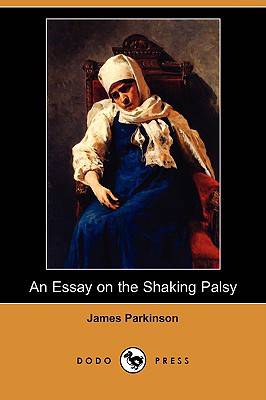
James Parkinson (1755-1824) was an English physician, geologist, paleontologist, and political activist. In 1784 he became a surgeon and succeeded his father in his practice at 1, Hoxton Square, London. In addition to his flourishing medical practice, Parkinson had an avid interest in geology and paleontology, as well as the politics of the day. He published nearly twenty political pamphlets in the post-French Revolution period, sometimes under the pseudonym "Old Hubert", calling for radical social reforms. Parkinson was also interested in improving the general health and well-being of the population. He wrote several medical doctrines that exposed a similar zeal for the health and welfare of the people that was expressed by his political activism. He is most famous for his 1817 work, An Essay on the Shaking Palsy, in which he was the first to describe "paralysis agitans", a condition that would later be named Parkinson's disease after him. His other works include: Organic Remains of the Former World (1804) and Elements of Oryctology: An Introduction to the Study of Fossil Organic Remains, Especially of Those Found in British Strata (1822).
Specificaties
Betrokkenen
- Auteur(s):
- Uitgeverij:
Inhoud
- Aantal bladzijden:
- 48
- Taal:
- Engels
Eigenschappen
- Productcode (EAN):
- 9781409947059
- Verschijningsdatum:
- 21/10/2008
- Uitvoering:
- Paperback
- Formaat:
- Trade paperback (VS)
- Afmetingen:
- 152 mm x 229 mm
- Gewicht:
- 81 g


Alleen bij Standaard Boekhandel
+ 38 punten op je klantenkaart van Standaard Boekhandel
Cadeau

AANGERADEN


Beoordelingen
We publiceren alleen reviews die voldoen aan de voorwaarden voor reviews. Bekijk onze voorwaarden voor reviews.