


- Afhalen na 1 uur in een winkel met voorraad
- Gratis thuislevering in België vanaf € 30
- Ruim aanbod met 7 miljoen producten
- Afhalen na 1 uur in een winkel met voorraad
- Gratis thuislevering in België vanaf € 30
- Ruim aanbod met 7 miljoen producten





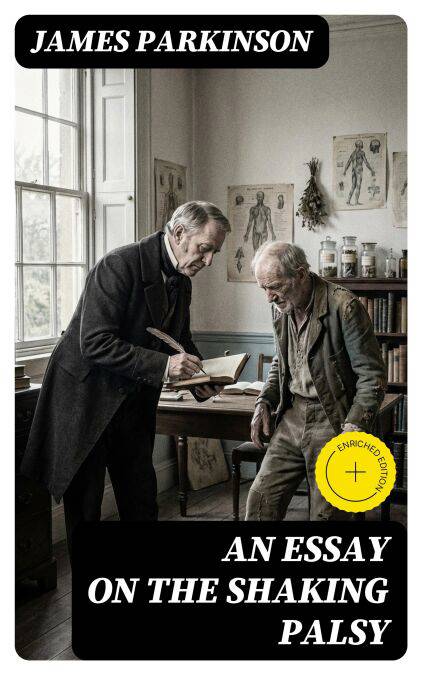
An Essay on the Shaking Palsy E-BOOK
Enriched edition. 1817 Clinical Observations on a Movement Disorder—Case Studies, Symptoms, Progression, and Early Neurology
James Parkinson
E-book | Engels
€ 1,99
+ 1 punten
Uitvoering
Omschrijving
In "An Essay on the Shaking Palsy," published in 1817, James Parkinson presents a groundbreaking exploration of a disorder that would later bear his name—Parkinson's disease. This seminal work, characterized by its meticulous observational style and emerging scientific rigor, expertly blends clinical observation with a patient-centered narrative. Parkinson describes the disorder's symptoms, progression, and potential etiology, establishing it as a distinct neurological condition. His use of detailed case studies not only enriches the text but also situates it within the burgeoning field of neurology, marking a significant departure from the oft-misunderstood ailments of his time. James Parkinson, a British surgeon and apothecary, was deeply committed to the advancement of medical understanding in the early 19th century. His interest in the pathology of the nervous system was influenced by both his clinical experiences and a wider cultural inquiry into the human condition following the Enlightenment. A self-taught practitioner, Parkinson meticulously documented cases of the disorder, highlighting the need for recognition and further study, which reveals his dedication to patient advocacy. This book is an essential read for those interested in the history of medicine, neurology, and the evolution of medical thought. Parkinson's work not only laid the foundation for modern medical terminology and research into motor disorders but also invites readers to reflect on the complexities of human illness and the pursuit of knowledge in its myriad forms.
In this enriched edition, we have carefully created added value for your reading experience:
- A succinct Introduction situates the work's timeless appeal and themes.
- The Synopsis outlines the central plot, highlighting key developments without spoiling critical twists.
- A detailed Historical Context immerses you in the era's events and influences that shaped the writing.
- An Author Biography reveals milestones in the author's life, illuminating the personal insights behind the text.
- A thorough Analysis dissects symbols, motifs, and character arcs to unearth underlying meanings.
- Reflection questions prompt you to engage personally with the work's messages, connecting them to modern life.
- Hand‐picked Memorable Quotes shine a spotlight on moments of literary brilliance.
- Interactive footnotes clarify unusual references, historical allusions, and archaic phrases for an effortless, more informed read.
In this enriched edition, we have carefully created added value for your reading experience:
- A succinct Introduction situates the work's timeless appeal and themes.
- The Synopsis outlines the central plot, highlighting key developments without spoiling critical twists.
- A detailed Historical Context immerses you in the era's events and influences that shaped the writing.
- An Author Biography reveals milestones in the author's life, illuminating the personal insights behind the text.
- A thorough Analysis dissects symbols, motifs, and character arcs to unearth underlying meanings.
- Reflection questions prompt you to engage personally with the work's messages, connecting them to modern life.
- Hand‐picked Memorable Quotes shine a spotlight on moments of literary brilliance.
- Interactive footnotes clarify unusual references, historical allusions, and archaic phrases for an effortless, more informed read.
Specificaties
Betrokkenen
- Auteur(s):
- Uitgeverij:
Inhoud
- Aantal bladzijden:
- 33
- Taal:
- Engels
Eigenschappen
- Productcode (EAN):
- 8596547119982
- Verschijningsdatum:
- 31/07/2022
- Uitvoering:
- E-book
- Beveiligd met:
- Digital watermarking
- Formaat:
- ePub



Alleen bij Standaard Boekhandel
+ 1 punten op je klantenkaart van Standaard Boekhandel
Cadeau

AANGERADEN


Beoordelingen
We publiceren alleen reviews die voldoen aan de voorwaarden voor reviews. Bekijk onze voorwaarden voor reviews.