


- Afhalen na 1 uur in een winkel met voorraad
- Gratis thuislevering in België vanaf € 30
- Ruim aanbod met 7 miljoen producten
- Afhalen na 1 uur in een winkel met voorraad
- Gratis thuislevering in België vanaf € 30
- Ruim aanbod met 7 miljoen producten





€ 30,95
+ 61 punten
Uitvoering
Omschrijving
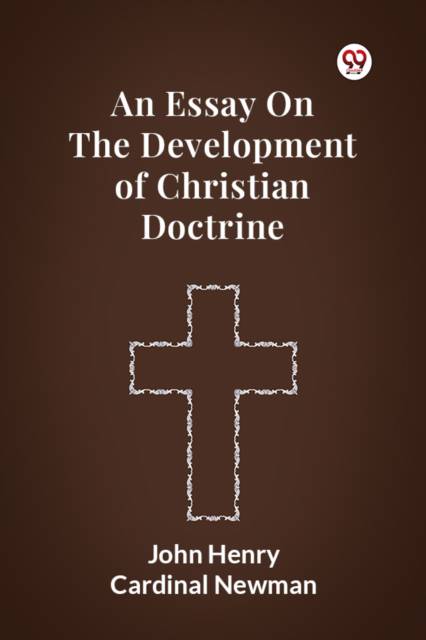
An Essay On The Development Of Christian Doctrine is a profound theological work that explores the historical and doctrinal evolution of Christianity. The essay addresses the idea that Christian beliefs and practices have not remained static but have developed over time in response to changing cultural, philosophical, and theological contexts. Newman argues that the Church s doctrines, though originating from the early Christian faith, have evolved in a way that remains consistent with their original truths. He explains that this development is not a departure from the faith but a deeper understanding of divine revelation, shaped by the needs and circumstances of each era. The essay emphasizes the organic nature of doctrine, likening it to the growth of a living organism. Through his analysis, Newman contends that the development of Christian doctrine reflects the guidance of the Holy Spirit and the Church's role in discerning and clarifying the truths of the faith. The work remains a cornerstone of theological thought, offering a framework for understanding the dynamic and living nature of Christian doctrine across centuries.
Specificaties
Betrokkenen
- Auteur(s):
- Uitgeverij:
Inhoud
- Aantal bladzijden:
- 314
- Taal:
- Engels
Eigenschappen
- Productcode (EAN):
- 9789369422104
- Verschijningsdatum:
- 1/01/2025
- Uitvoering:
- Paperback
- Formaat:
- Trade paperback (VS)
- Afmetingen:
- 140 mm x 216 mm
- Gewicht:
- 362 g


Alleen bij Standaard Boekhandel
+ 61 punten op je klantenkaart van Standaard Boekhandel
Cadeau

AANGERADEN


Beoordelingen
We publiceren alleen reviews die voldoen aan de voorwaarden voor reviews. Bekijk onze voorwaarden voor reviews.