


- Afhalen na 1 uur in een winkel met voorraad
- Gratis thuislevering in België vanaf € 30
- Ruim aanbod met 7 miljoen producten
- Afhalen na 1 uur in een winkel met voorraad
- Gratis thuislevering in België vanaf € 30
- Ruim aanbod met 7 miljoen producten




Omschrijving
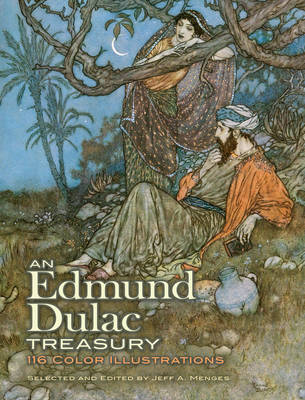
Rooted in tales both ancient and modern, these vibrant images date from the early twentieth century's Golden Age of Illustration. Edmund Dulac, a prominent artist of the period, created them for books published between 1905 and 1928. Their moods range from the shadowy foreboding of Jane Eyre to the venturesome spirits of Treasure Island and the lighthearted fantasies of A Fairy Garland. Other featured titles include Shakespeare's The Tempest, The Arabian Nights, The Rubáiyát of Omar Khayyam, and the fairy tales of Hans Christian Andersen.
French-born Edmund Dulac arrived in London in 1904, when new advances in the printing process kindled a rage for picture books. Dulac's imaginative powers and technical skills assured the popularity of his book illustrations, many of which were sold separately as fine art paintings. After World War I, when the appetite for deluxe volumes waned, the artist turned his talents in many new directions, including portraiture, theatrical costume and set design, newspaper caricature, and stamp design. This retrospective of his early works is the only such anthology available, offering a singular tribute to an artist from a halcyon era of art inspired by literature.
French-born Edmund Dulac arrived in London in 1904, when new advances in the printing process kindled a rage for picture books. Dulac's imaginative powers and technical skills assured the popularity of his book illustrations, many of which were sold separately as fine art paintings. After World War I, when the appetite for deluxe volumes waned, the artist turned his talents in many new directions, including portraiture, theatrical costume and set design, newspaper caricature, and stamp design. This retrospective of his early works is the only such anthology available, offering a singular tribute to an artist from a halcyon era of art inspired by literature.
Specificaties
Betrokkenen
- Auteur(s):
- Uitgeverij:
Inhoud
- Aantal bladzijden:
- 128
- Taal:
- Engels
- Reeks:
Eigenschappen
- Productcode (EAN):
- 9780486479118
- Verschijningsdatum:
- 16/06/2011
- Uitvoering:
- Paperback
- Formaat:
- Trade paperback (VS)
- Afmetingen:
- 213 mm x 278 mm
- Gewicht:
- 467 g


Alleen bij Standaard Boekhandel
+ 69 punten op je klantenkaart van Standaard Boekhandel
AANGERADEN


Beoordelingen
We publiceren alleen reviews die voldoen aan de voorwaarden voor reviews. Bekijk onze voorwaarden voor reviews.