


- Afhalen na 1 uur in een winkel met voorraad
- Gratis thuislevering in België vanaf € 30
- Ruim aanbod met 7 miljoen producten
- Afhalen na 1 uur in een winkel met voorraad
- Gratis thuislevering in België vanaf € 30
- Ruim aanbod met 7 miljoen producten





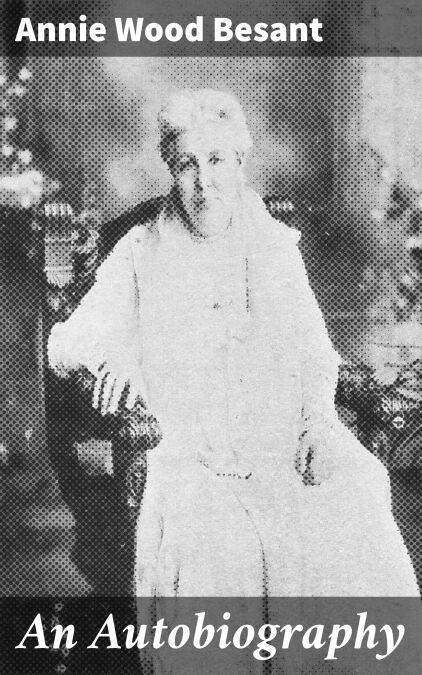
An Autobiography E-BOOK
A Journey Through Theosophy: An Inspiring Autobiographical Account
Annie Wood Besant
E-book | Engels
€ 1,99
+ 1 punten
Omschrijving
In "An Autobiography," Annie Wood Besant crafts a compelling narrative that chronicles her transformation from a conventional Victorian woman to a fervent advocate for social and political reform. Her literary style is marked by eloquent prose and introspective reflection, encapsulating her rebellion against societal norms and her journey into the realms of Theosophy, women'Äôs rights, and Indian nationalism. The book serves as both a personal memoir and a socio-political commentary, positioned within the broader context of late 19th and early 20th-century activism, illustrating the spiritual and ideological growth that defined Besant's life. Annie Wood Besant, a prominent British feminist, suffragist, and Theosophist, was born in 1847 in London. Her early life, characterized by personal challenges and societal constraints, propelled her towards advocacy and reform. Besant'Äôs extensive travels and engagement with Indian politics stemmed from a deeply felt sense of moral responsibility, culminating in her passionate involvement in the Indian independence movement. Her experiences are mirrored in her autobiography, making it an essential reading for understanding the complexities of her life and the era she inhabited. This profound and stirring autobiography is highly recommended for readers interested in feminist literature, social justice, and the intricate interplay of personal and political identity. Besant's candid reflections not only illuminate her own life but also inspire readers to question and challenge the social norms of their own time.
Specificaties
Betrokkenen
- Auteur(s):
- Uitgeverij:
Inhoud
- Aantal bladzijden:
- 236
- Taal:
- Engels
Eigenschappen
- Productcode (EAN):
- 4064066061326
- Verschijningsdatum:
- 7/12/2020
- Uitvoering:
- E-book
- Beveiligd met:
- Digital watermarking
- Formaat:
- ePub


Alleen bij Standaard Boekhandel
+ 1 punten op je klantenkaart van Standaard Boekhandel
Cadeau

AANGERADEN


Beoordelingen
We publiceren alleen reviews die voldoen aan de voorwaarden voor reviews. Bekijk onze voorwaarden voor reviews.