


- Afhalen na 1 uur in een winkel met voorraad
- Gratis thuislevering in België vanaf € 30
- Ruim aanbod met 7 miljoen producten
- Afhalen na 1 uur in een winkel met voorraad
- Gratis thuislevering in België vanaf € 30
- Ruim aanbod met 7 miljoen producten





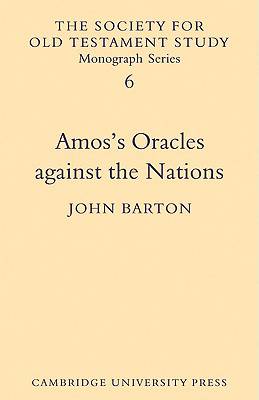
Amos's Oracles Against the Nations
John Barton
€ 54,95
+ 109 punten
Omschrijving
In the first two chapters of the book of Amos, the prophet denounces a number of neighbouring nations for committing atrocities in war and then declares Israel to be equally blameworthy in view of the social injustices prevailing in his time (the eighth century BC). Amos is widely held to be ahead of his age, not only in recognising the idea of 'war crimes' but also in attributing to the God if Israel any concern with or power over other nations. In this detailed study of Amos 1 and 2, Dr Barton shows that the book in fact presupposes both these notions; there were already accepted conventions of warfare in the ancient Near Eastern cultures and there was already recognition in Israel of the universality of God's power. The essential contribution of Amos to Old Testament theology is to be found in his radical criticism of Israel and in his prediction that it is about to be destroyed by its own God.
Specificaties
Betrokkenen
- Auteur(s):
- Uitgeverij:
Inhoud
- Aantal bladzijden:
- 96
- Taal:
- Engels
- Reeks:
- Reeksnummer:
- nr. 6
Eigenschappen
- Productcode (EAN):
- 9780521104081
- Verschijningsdatum:
- 19/03/2009
- Uitvoering:
- Paperback
- Formaat:
- Trade paperback (VS)
- Afmetingen:
- 140 mm x 216 mm
- Gewicht:
- 131 g


Alleen bij Standaard Boekhandel
+ 109 punten op je klantenkaart van Standaard Boekhandel
Cadeau

AANGERADEN


Beoordelingen
We publiceren alleen reviews die voldoen aan de voorwaarden voor reviews. Bekijk onze voorwaarden voor reviews.