


- Afhalen na 1 uur in een winkel met voorraad
- Gratis thuislevering in België vanaf € 30
- Ruim aanbod met 7 miljoen producten
- Afhalen na 1 uur in een winkel met voorraad
- Gratis thuislevering in België vanaf € 30
- Ruim aanbod met 7 miljoen producten





€ 36,45
+ 72 punten
Omschrijving
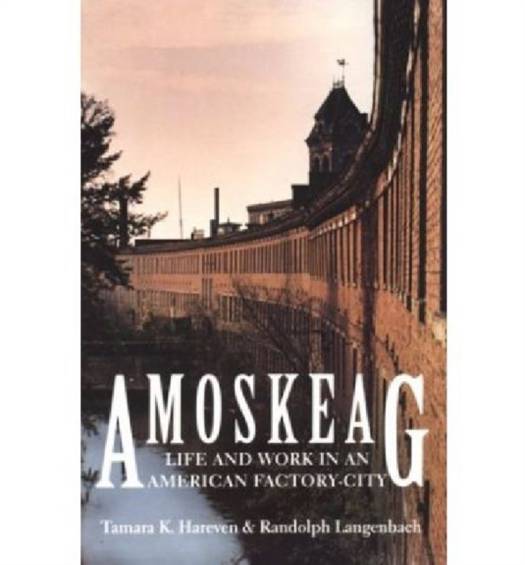
First published in 1978, this classic book, through vivid oral histories and historic photographs, documents the social and cultural impact of the industry during America's rise as a manufacturing power. For nearly a century, the Amoskeag Manufacturing Company was chief architect of the social, ethnic, and economic existence of Manchester, New Hampshire. In the early 1900s, it was the largest textile mill in the world, employing 17,000; its red brick facade stretched for nearly a mile along the Merrimack River and its payroll drew immigrants by the thousands. In their own words, laborers, foremen, managers, and town residents paint a detailed portrait of the mill's nearly feudal dominance of every aspect of their lives and offer their response to this existence, with fierce pride and an unshakable sense of community. When competition, labor unrest, and obsolescence caught up with the mill in 1936, a weaver recalls, "the mills went out and the world stopped for everybody."
Specificaties
Betrokkenen
- Auteur(s):
- Uitgeverij:
Inhoud
- Aantal bladzijden:
- 410
- Taal:
- Engels
- Reeks:
Eigenschappen
- Productcode (EAN):
- 9780874517361
- Verschijningsdatum:
- 1/09/1995
- Uitvoering:
- Paperback
- Formaat:
- Trade paperback (VS)
- Afmetingen:
- 132 mm x 201 mm
- Gewicht:
- 476 g


Alleen bij Standaard Boekhandel
+ 72 punten op je klantenkaart van Standaard Boekhandel
Cadeau

AANGERADEN


Beoordelingen
We publiceren alleen reviews die voldoen aan de voorwaarden voor reviews. Bekijk onze voorwaarden voor reviews.