


- Afhalen na 1 uur in een winkel met voorraad
- Gratis thuislevering in België vanaf € 30
- Ruim aanbod met 7 miljoen producten
- Afhalen na 1 uur in een winkel met voorraad
- Gratis thuislevering in België vanaf € 30
- Ruim aanbod met 7 miljoen producten





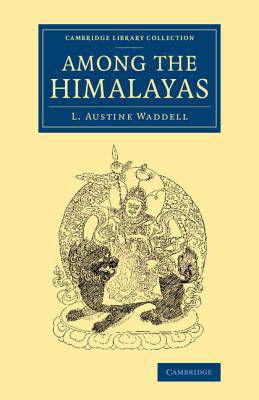
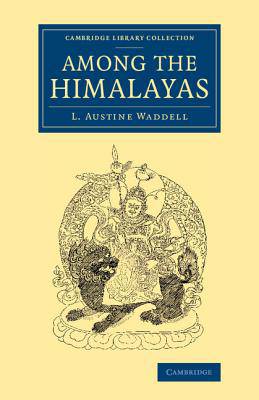
Among the Himalayas
L Austine Waddell
€ 96,95
+ 193 punten
Eenvoudig bestellen
Veilig betalen


Gratis thuislevering vanaf € 30 (via bpost)
Gratis levering in je Standaard Boekhandel
Omschrijving
Laurence Austine Waddell (1854-1938) spent twenty-five years as a medical officer in the colonial Indian Medical Service. Fascinated by the landscapes and cultures of Darjeeling and Tibet, and inspired by reports from British spies surveying the remote Himalayan valleys, Waddell studied local languages, and spent his leisure time researching and writing on Tibetan topics. His books The Buddhism of Tibet (1895) and Lhasa and its Mysteries (1905) are also reissued in the Cambridge Library Collection. This 1899 publication, illustrated with photographs and drawings, claims to describe 'the grandest part of the grandest mountains in the world', for the first time since Hooker (whose 1854 Himalayan Journals are also reissued), and anticipates today's trekking industry. Waddell's colourful account of jungles, snakes, glaciers, yaks, dizzying mountain ridges, rickety bamboo bridges, tribal peoples and unfamiliar food aims to 'bring home to the reader a whiff of the bracing breezes of the Himalayas'.
Specificaties
Betrokkenen
- Auteur(s):
- Uitgeverij:
Inhoud
- Aantal bladzijden:
- 474
- Taal:
- Engels
- Reeks:
Eigenschappen
- Productcode (EAN):
- 9781108081634
- Verschijningsdatum:
- 5/03/2015
- Uitvoering:
- Paperback
- Formaat:
- Trade paperback (VS)
- Afmetingen:
- 140 mm x 216 mm
- Gewicht:
- 598 g


Alleen bij Standaard Boekhandel
+ 193 punten op je klantenkaart van Standaard Boekhandel
CADEAU

AANGERADEN


Beoordelingen
We publiceren alleen reviews die voldoen aan de voorwaarden voor reviews. Bekijk onze voorwaarden voor reviews.