


- Afhalen na 1 uur in een winkel met voorraad
- Gratis thuislevering in België vanaf € 30
- Ruim aanbod met 7 miljoen producten
- Afhalen na 1 uur in een winkel met voorraad
- Gratis thuislevering in België vanaf € 30
- Ruim aanbod met 7 miljoen producten




Omschrijving
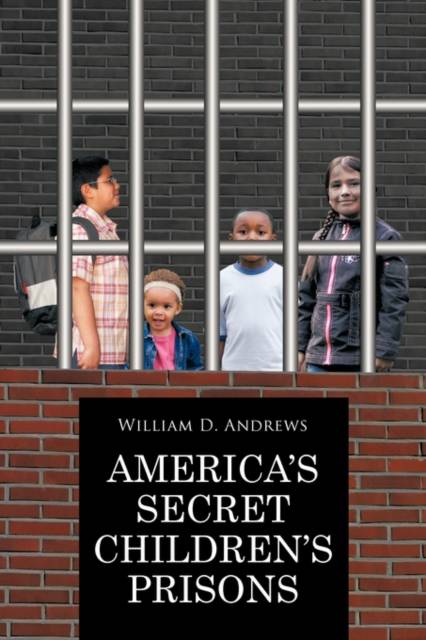
Foster homes and out-of-home placement have been portrayed as two of the best things that have happened for the welfare of children. This is only true, however, if the system is used by those who direct it correctly. Most parents would be upset if they knew that their children were being abused both physically and sexually inside the system. Violence, racism, alcohol, and drugs are common within the foster care and out-of-home placement systems; even so, a wall of protection and silence has been built around the human resource system. This has allowed the unspeakable to occur inside the system-things that would put those on the outside into prison for life. Most of us would generally be shocked to find out there is very little external oversight of these agencies in many instances. It has been a shocking thirty-year experience for author William Andrews, working in counseling and with out-of-home people. Over 60 percent of the children removed from homes in some states are listed as unwarranted removals. This means that the removal of children from a home is usually not justified. See America's future by looking at its past and present; change is urgently needed.
Specificaties
Betrokkenen
- Auteur(s):
- Uitgeverij:
Inhoud
- Aantal bladzijden:
- 180
- Taal:
- Engels
Eigenschappen
- Productcode (EAN):
- 9781426951275
- Verschijningsdatum:
- 14/02/2011
- Uitvoering:
- Paperback
- Formaat:
- Trade paperback (VS)
- Afmetingen:
- 152 mm x 229 mm
- Gewicht:
- 249 g


Alleen bij Standaard Boekhandel
+ 26 punten op je klantenkaart van Standaard Boekhandel
AANGERADEN


Beoordelingen
We publiceren alleen reviews die voldoen aan de voorwaarden voor reviews. Bekijk onze voorwaarden voor reviews.