


- Afhalen na 1 uur in een winkel met voorraad
- Gratis thuislevering in België vanaf € 30
- Ruim aanbod met 7 miljoen producten
- Afhalen na 1 uur in een winkel met voorraad
- Gratis thuislevering in België vanaf € 30
- Ruim aanbod met 7 miljoen producten





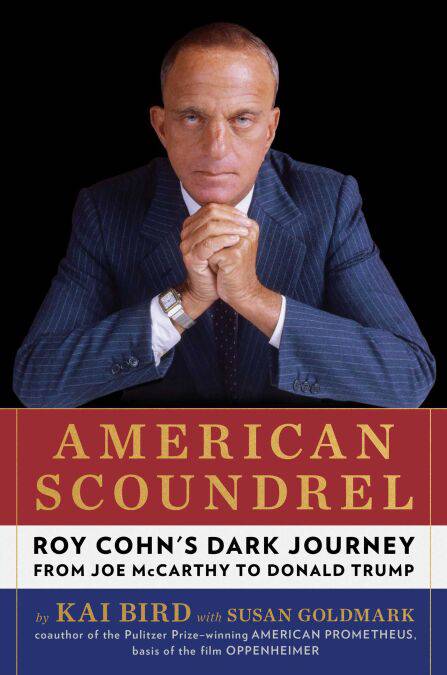
American Scoundrel E-BOOK
Roy Cohn's Dark Journey from Joe McCarthy to Donald Trump
Kai Bird, Susan Goldmark
E-book | Engels
€ 19,00
+ 19 punten
Uitvoering
Omschrijving
From the Pulitzer Prize–winning coauthor of American Prometheus, inspiration for the Oscar-winning sensation Oppenheimer, a biography of Roy Cohn—arguably the mastermind behind the current arc of American political life, including the ascent of Donald Trump.
From the 1950s to the 1980s, the many dramas of American political life had one common denominator: Roy Cohn. In his twenties, the infamous young prosecutor sent Julius and Ethel Rosenberg to the electric chair and burned 30,000 books by “communist” authors, becoming the baby-faced symbol of McCarthyism. By his thirties, Cohn, with a red scar that ran down his nose from a botched childhood operation, was known in New York City as the Mafia’s hired legal gun. In his forties, he partied with the glitterati at Studio 54 and became friends with Richard Nixon. In his fifties, Cohn was invited to Reagan’s Oval Office. Nancy Reagan called Cohn often for advice and gossip—indeed, Cohn had an almost insatiable interest in gossip, and much of his influence over the years derived from his transactional relationship with gossip columnists. Perhaps most significantly, he mentored the young Donald Trump. The real estate developer, whom Cohn called his “best friend,” phoned him a dozen times a day.
Cohn considered himself the one lawyer in town who could always escape the consequences. Indicted by the Feds on three occasions for bribery, perjury, extortion, and other white-collar crimes, he was acquitted every time. To achieve his ends, he did whatever it took. “If you need somebody to get vicious,” Trump once said, “hire Roy Cohn.”
Years after his death of AIDS in 1986, Cohn emerged as a central figure in Tony Kushner’s Pulitzer Prize–winning 1992 play, Angels in America: A Gay Fantasia on National Themes. Cohn’s feistiness, his surly defiance—and, yes, his charm—were frequently flourished to conceal vast insecurities, particularly regarding his sexuality. As his friend Sidney Zion once wrote, “Roy lived in a closet that was the oddest in history—a closet with neon lights—but he maintained it fiercely.”
A streetfighter, self-promoting hustler, and scheming conman, Cohn was a nefarious actor in one unscrupulous tale after another. He was a true Zelig of the dark side.
From the 1950s to the 1980s, the many dramas of American political life had one common denominator: Roy Cohn. In his twenties, the infamous young prosecutor sent Julius and Ethel Rosenberg to the electric chair and burned 30,000 books by “communist” authors, becoming the baby-faced symbol of McCarthyism. By his thirties, Cohn, with a red scar that ran down his nose from a botched childhood operation, was known in New York City as the Mafia’s hired legal gun. In his forties, he partied with the glitterati at Studio 54 and became friends with Richard Nixon. In his fifties, Cohn was invited to Reagan’s Oval Office. Nancy Reagan called Cohn often for advice and gossip—indeed, Cohn had an almost insatiable interest in gossip, and much of his influence over the years derived from his transactional relationship with gossip columnists. Perhaps most significantly, he mentored the young Donald Trump. The real estate developer, whom Cohn called his “best friend,” phoned him a dozen times a day.
Cohn considered himself the one lawyer in town who could always escape the consequences. Indicted by the Feds on three occasions for bribery, perjury, extortion, and other white-collar crimes, he was acquitted every time. To achieve his ends, he did whatever it took. “If you need somebody to get vicious,” Trump once said, “hire Roy Cohn.”
Years after his death of AIDS in 1986, Cohn emerged as a central figure in Tony Kushner’s Pulitzer Prize–winning 1992 play, Angels in America: A Gay Fantasia on National Themes. Cohn’s feistiness, his surly defiance—and, yes, his charm—were frequently flourished to conceal vast insecurities, particularly regarding his sexuality. As his friend Sidney Zion once wrote, “Roy lived in a closet that was the oddest in history—a closet with neon lights—but he maintained it fiercely.”
A streetfighter, self-promoting hustler, and scheming conman, Cohn was a nefarious actor in one unscrupulous tale after another. He was a true Zelig of the dark side.
Specificaties
Betrokkenen
- Auteur(s):
- Uitgeverij:
Inhoud
- Aantal bladzijden:
- 528
- Taal:
- Engels
Eigenschappen
- Productcode (EAN):
- 9781668031599
- Verschijningsdatum:
- 31/08/2026
- Uitvoering:
- E-book
- Beveiligd met:
- Adobe DRM
- Formaat:
- ePub


Alleen bij Standaard Boekhandel
+ 19 punten op je klantenkaart van Standaard Boekhandel
Cadeau

AANGERADEN


Beoordelingen
We publiceren alleen reviews die voldoen aan de voorwaarden voor reviews. Bekijk onze voorwaarden voor reviews.