


- Afhalen na 1 uur in een winkel met voorraad
- Gratis thuislevering in België vanaf € 30
- Ruim aanbod met 7 miljoen producten
- Afhalen na 1 uur in een winkel met voorraad
- Gratis thuislevering in België vanaf € 30
- Ruim aanbod met 7 miljoen producten





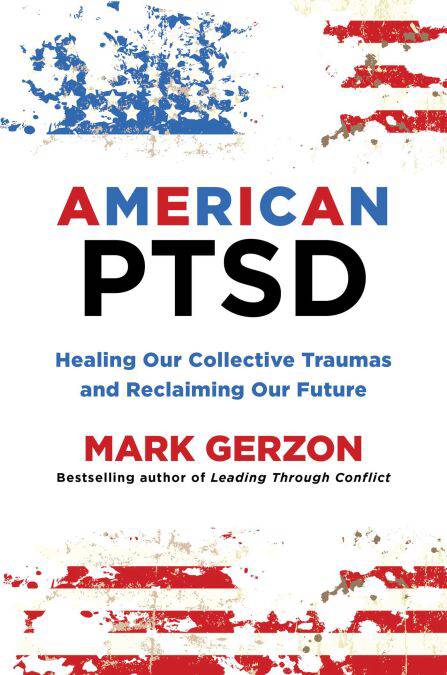
American PTSD E-BOOK
Healing Our Collective Traumas & Reclaiming Our Future
Mark Gerzon
E-book | Engels
€ 24,59
+ 24 punten
Uitvoering
Omschrijving
American PTSD explores how generations of Americans, including our own, have experienced and are seeking recovery from collective trauma. When we tell our nation’s history, we highlight the heroism and conceal the trauma. We exclude collective trauma from our history books, and from our civic memory. When we analyze our current cultural chaos and political dysfunction, our answers are all too often superficial quick-fix explanations. We refuse to dig deeper because we are afraid of what we might discover. Our internal conflicts have intensified to the point that many serious observers now believe that the risk of civil war is real.
For four long centuries, we Americans have been defending ourselves against acknowledging our own traumas. Repressing trauma, continuing to function, requires a kind of stoic strength that is admirable. They pushed away the stress, worked tirelessly, and prayed to God that the next grave being dug would not be theirs. But their courage and fortitude does not change the fact that our culture was saturated in PTSD.
This book is designed as a healing journey. It is an invitation to explore the origins of our collective American trauma, to heal ourselves and to become whole. While the journey includes suffering and oppression, cruelty and privilege, its destination is personal well-being and civic progress. As in our own lives, we turn to our nation’s past with the intention of shaping a better future. In his foreword to Post-Traumatic Slavery Syndrome, the African American author and activist Randall Robinson states the purpose of this book succinctly: to “embrace our past in all its fullness, for therein lies our only hope for a healthy… future.”
To prepare for this healing journey, let us ground ourselves in the deepest truth that, at our core, we are whole. We expose and examine our woundedness so it can heal into wholeness. We cannot be the United States if we are divided against ourselves, and consequently against each other. Reclaiming our wholeness is our individual birthright — the fundamental, psychological bedrock of “life, liberty and the pursuit of happiness.”
For four long centuries, we Americans have been defending ourselves against acknowledging our own traumas. Repressing trauma, continuing to function, requires a kind of stoic strength that is admirable. They pushed away the stress, worked tirelessly, and prayed to God that the next grave being dug would not be theirs. But their courage and fortitude does not change the fact that our culture was saturated in PTSD.
This book is designed as a healing journey. It is an invitation to explore the origins of our collective American trauma, to heal ourselves and to become whole. While the journey includes suffering and oppression, cruelty and privilege, its destination is personal well-being and civic progress. As in our own lives, we turn to our nation’s past with the intention of shaping a better future. In his foreword to Post-Traumatic Slavery Syndrome, the African American author and activist Randall Robinson states the purpose of this book succinctly: to “embrace our past in all its fullness, for therein lies our only hope for a healthy… future.”
To prepare for this healing journey, let us ground ourselves in the deepest truth that, at our core, we are whole. We expose and examine our woundedness so it can heal into wholeness. We cannot be the United States if we are divided against ourselves, and consequently against each other. Reclaiming our wholeness is our individual birthright — the fundamental, psychological bedrock of “life, liberty and the pursuit of happiness.”
Specificaties
Betrokkenen
- Auteur(s):
- Uitgeverij:
Inhoud
- Aantal bladzijden:
- 232
- Taal:
- Engels
Eigenschappen
- Productcode (EAN):
- 9781493094943
- Verschijningsdatum:
- 4/01/2027
- Uitvoering:
- E-book
- Beveiligd met:
- Adobe DRM
- Formaat:
- ePub


Alleen bij Standaard Boekhandel
+ 24 punten op je klantenkaart van Standaard Boekhandel
Cadeau

AANGERADEN


Beoordelingen
We publiceren alleen reviews die voldoen aan de voorwaarden voor reviews. Bekijk onze voorwaarden voor reviews.