


- Afhalen na 1 uur in een winkel met voorraad
- Gratis thuislevering in België vanaf € 30
- Ruim aanbod met 7 miljoen producten
- Afhalen na 1 uur in een winkel met voorraad
- Gratis thuislevering in België vanaf € 30
- Ruim aanbod met 7 miljoen producten





€ 14,78
+ 14 punten
Omschrijving
Included on NPR's 2022 "Books We Love" List
Finalist, 2023 YALSA Award for Excellence in Nonfiction
ALSC Notable Children's Book
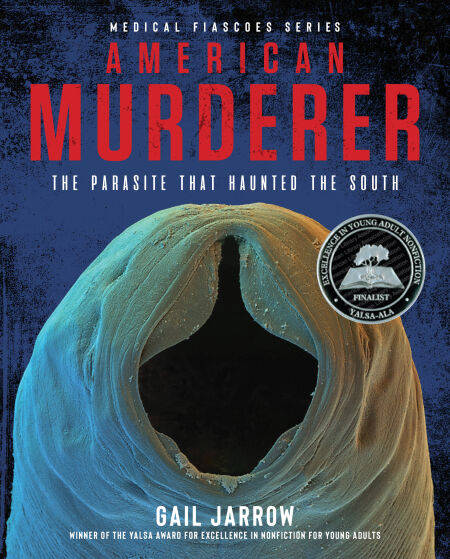
What made workers in the American South so tired and feeble during the 19th and early 20th centuries? This exciting medical mystery uncovers the secrets of the parasite hookworm, commonly known as the “American Murderer,” and is the latest title in Gail Jarrow’s (YALSA Excellence in Nonfiction for Young Adults award-winning author) Medical Fiascoes series.
Imagine microscopic worms living in the soil. They enter your body through your bare feet, travel to your intestines, and stay there for years sucking your blood like vampires. You feel exhausted. You get sick easily. It sounds like a nightmare, but that’s what happened in the American South during the 1800s and early 1900s.
Doctors never guessed that hookworms were making patients ill, but zoologist Charles Stiles knew better. Working with one of the first public health organizations, he and his colleagues treated the sick and showed Southerners how to protect themselves by wearing shoes and using outhouses so that the worms didn’t spread. Although hookworm was eventually controlled in the US, the parasite remains a serious health problem throughout the world. The topic of this STEM book remains relevant and will fascinate readers interested in medicine, science, history—and gross stories about bloodsucking creatures.
Finalist, 2023 YALSA Award for Excellence in Nonfiction
ALSC Notable Children's Book
What made workers in the American South so tired and feeble during the 19th and early 20th centuries? This exciting medical mystery uncovers the secrets of the parasite hookworm, commonly known as the “American Murderer,” and is the latest title in Gail Jarrow’s (YALSA Excellence in Nonfiction for Young Adults award-winning author) Medical Fiascoes series.
Imagine microscopic worms living in the soil. They enter your body through your bare feet, travel to your intestines, and stay there for years sucking your blood like vampires. You feel exhausted. You get sick easily. It sounds like a nightmare, but that’s what happened in the American South during the 1800s and early 1900s.
Doctors never guessed that hookworms were making patients ill, but zoologist Charles Stiles knew better. Working with one of the first public health organizations, he and his colleagues treated the sick and showed Southerners how to protect themselves by wearing shoes and using outhouses so that the worms didn’t spread. Although hookworm was eventually controlled in the US, the parasite remains a serious health problem throughout the world. The topic of this STEM book remains relevant and will fascinate readers interested in medicine, science, history—and gross stories about bloodsucking creatures.
Specificaties
Betrokkenen
- Auteur(s):
- Uitgeverij:
Inhoud
- Aantal bladzijden:
- 160
- Taal:
- Engels
- Reeks:
Eigenschappen
- Productcode (EAN):
- 9781635928297
- Verschijningsdatum:
- 26/09/2022
- Uitvoering:
- E-book
- Beveiligd met:
- Adobe DRM
- Formaat:
- ePub


Alleen bij Standaard Boekhandel
+ 14 punten op je klantenkaart van Standaard Boekhandel
Cadeau

AANGERADEN


Beoordelingen
We publiceren alleen reviews die voldoen aan de voorwaarden voor reviews. Bekijk onze voorwaarden voor reviews.