


- Afhalen na 1 uur in een winkel met voorraad
- Gratis thuislevering in België vanaf € 30
- Ruim aanbod met 7 miljoen producten
- Afhalen na 1 uur in een winkel met voorraad
- Gratis thuislevering in België vanaf € 30
- Ruim aanbod met 7 miljoen producten





€ 46,45
+ 92 punten
Eenvoudig bestellen
Veilig betalen


Gratis thuislevering vanaf € 30 (via bpost)
Gratis levering in je Standaard Boekhandel
Omschrijving
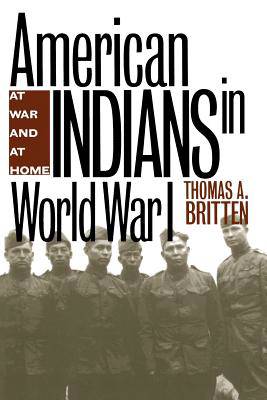
During World War I, about 10,000 Native Americans either enlisted or were drafted into the American Expeditionary Force. Three related questions are examined in depth for the first time in this book: What were the battlefield experiences of Native Americans? How did racial and cultural stereotypes about Indians affect their duties? Did their wartime contributions lead to changes in federal Indian policy or their standard of living? Many American Indians distinguished themselves fighting on the Western Front. And as compared to black and Mexican American soldiers, Indians enjoyed near universal respect when in uniform. To celebrate their patriotism during and after the war, Indians could even perform a variety of traditional ceremonies otherwise proscribed. Both in combat and in their support roles on the homefront, including volunteer contributions by Indian women, Native Americans hoped their efforts would result in a more vigorous application of democracy. But the Bureau of Indian Affairs continued to cut health and education programs and to suppress Indian cultures. "This is a first-rate book and a significant contribution to twentieth-century Indian history."--Professor Donald L. Parman
Specificaties
Betrokkenen
- Auteur(s):
- Uitgeverij:
Inhoud
- Aantal bladzijden:
- 264
- Taal:
- Engels
Eigenschappen
- Productcode (EAN):
- 9780826320902
- Verschijningsdatum:
- 1/12/1998
- Uitvoering:
- Paperback
- Formaat:
- Trade paperback (VS)
- Afmetingen:
- 155 mm x 229 mm
- Gewicht:
- 430 g


Alleen bij Standaard Boekhandel
+ 92 punten op je klantenkaart van Standaard Boekhandel
CADEAU

AANGERADEN


Beoordelingen
We publiceren alleen reviews die voldoen aan de voorwaarden voor reviews. Bekijk onze voorwaarden voor reviews.