


- Afhalen na 1 uur in een winkel met voorraad
- Gratis thuislevering in België vanaf € 30
- Ruim aanbod met 7 miljoen producten
- Afhalen na 1 uur in een winkel met voorraad
- Gratis thuislevering in België vanaf € 30
- Ruim aanbod met 7 miljoen producten





€ 203,95
+ 407 punten
Eenvoudig bestellen
Veilig betalen


Gratis thuislevering vanaf € 30 (via bpost)
Gratis levering in je Standaard Boekhandel
Omschrijving
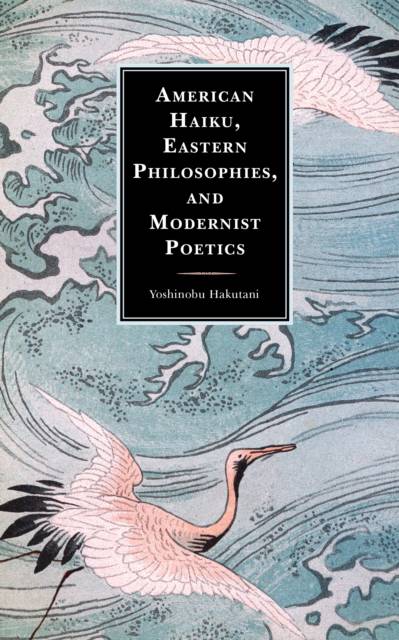
American Haiku, Eastern Philosophies, and Modernist Poetics traces the genesis and development of haiku in Japan as it transformed over the years and eventually made its way to the Western world. Yoshinobu Hakutani analyzes the prominent Eastern philosophies expressed through haiku, such as Confucianism and Zen, and the aesthetic principles of yugen, sabi, and wabi. Hakutani discusses several reinventions of haiku, from Matsuo Basho's transformation of the classic haiku, to Masaoka Shiki's modernist perspectives expressing subjective thoughts and feelings, and eventually to Yone Noguchi's introduction of haiku to the Western world through W. B. Yeats and Ezra Pound. Hakutani argues that the adoption and transformation of haiku is one of the most popular East-West artistic, cultural, and literary exchanges to have taken place in modern and postmodern times.
Specificaties
Betrokkenen
- Auteur(s):
- Uitgeverij:
Inhoud
- Aantal bladzijden:
- 236
- Taal:
- Engels
Eigenschappen
- Productcode (EAN):
- 9781793634504
- Verschijningsdatum:
- 29/10/2020
- Uitvoering:
- Hardcover
- Formaat:
- Genaaid
- Afmetingen:
- 152 mm x 229 mm
- Gewicht:
- 517 g


Alleen bij Standaard Boekhandel
+ 407 punten op je klantenkaart van Standaard Boekhandel
CADEAU

AANGERADEN


Beoordelingen
We publiceren alleen reviews die voldoen aan de voorwaarden voor reviews. Bekijk onze voorwaarden voor reviews.