


- Afhalen na 1 uur in een winkel met voorraad
- Gratis thuislevering in België vanaf € 30
- Ruim aanbod met 7 miljoen producten
- Afhalen na 1 uur in een winkel met voorraad
- Gratis thuislevering in België vanaf € 30
- Ruim aanbod met 7 miljoen producten




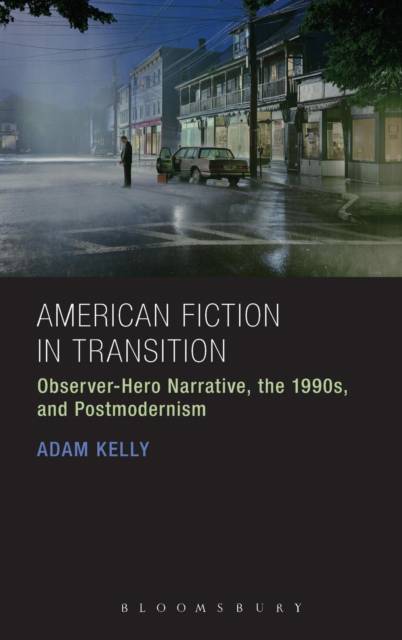
American Fiction in Transition
Observer-Hero Narrative, the 1990s, and Postmodernism
Adam Kelly
Hardcover | Engels
€ 271,45
Uitvoering
Omschrijving
American Fiction in Transition is a study of the observer-hero narrative, a highly significant but critically neglected genre of the American novel. Through the lens of this transitional genre, the book explores the 1990s in relation to debates about the end of postmodernism, and connects the decade to other transitional periods in US literature. Novels by four major contemporary writers are examined: Philip Roth, Paul Auster, E. L. Doctorow and Jeffrey Eugenides. Each novel has a similar structure: an observer-narrator tells the story of an important person in his life who has died. But each story is equally about the struggle to tell the story, to find adequate means to narrate the transitional quality of the hero's life. In playing out this narrative struggle, each novel thereby addresses the broader problem of historical transition, a problem that marks the legacy of the postmodern era in American literature and culture.
Specificaties
Betrokkenen
- Auteur(s):
- Uitgeverij:
Inhoud
- Aantal bladzijden:
- 176
- Taal:
- Engels
Eigenschappen
- Productcode (EAN):
- 9781441112859
- Verschijningsdatum:
- 25/04/2013
- Uitvoering:
- Hardcover
- Formaat:
- Genaaid
- Afmetingen:
- 157 mm x 231 mm
- Gewicht:
- 362 g


Alleen bij Standaard Boekhandel
Cadeau

AANGERADEN


Beoordelingen
We publiceren alleen reviews die voldoen aan de voorwaarden voor reviews. Bekijk onze voorwaarden voor reviews.