


- Afhalen na 1 uur in een winkel met voorraad
- Gratis thuislevering in België vanaf € 30
- Ruim aanbod met 7 miljoen producten
- Afhalen na 1 uur in een winkel met voorraad
- Gratis thuislevering in België vanaf € 30
- Ruim aanbod met 7 miljoen producten





€ 62,45
+ 124 punten
Omschrijving
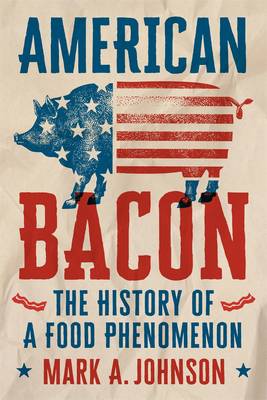
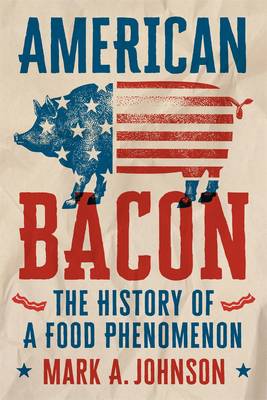
In American Bacon, Mark A. Johnson asks (and answers) a seemingly simple question: How has bacon overcome centuries of religious prohibition, cultural contempt, and dietary advice to become a twenty-first-century culinary and cultural powerhouse? Starting in early modern Britain and tracing the story of bacon through the colonial era, Civil War, Progressive Era, modern fad diets, and the emerging craft bacon industry, Johnson provides a new perspective on some familiar American narratives. More than a story of production, marketing, and consumption, Johnson argues, this cultural history connects bacon to race, class, and gender while also illuminating major historical forces, such as migration, warfare, urbanization and suburbanization, reform movements, cultural trends, and globalization. For Johnson, bacon's story from "most dangerous food in the supermarket" to pop culture and gastronomic phenomenon reflects the cultural values of a nation.
Specificaties
Betrokkenen
- Auteur(s):
- Uitgeverij:
Inhoud
- Aantal bladzijden:
- 352
- Taal:
- Engels
Eigenschappen
- Productcode (EAN):
- 9780820375403
- Verschijningsdatum:
- 15/04/2026
- Uitvoering:
- Hardcover
- Formaat:
- Genaaid
- Afmetingen:
- 152 mm x 229 mm


Alleen bij Standaard Boekhandel
+ 124 punten op je klantenkaart van Standaard Boekhandel

Beoordelingen
We publiceren alleen reviews die voldoen aan de voorwaarden voor reviews. Bekijk onze voorwaarden voor reviews.