



Je cadeautjes zeker op tijd in huis hebben voor de feestdagen? Kom langs in onze winkels en vind het perfecte geschenk!
- Afhalen na 1 uur in een winkel met voorraad
- Gratis thuislevering in België vanaf € 30
- Ruim aanbod met 7 miljoen producten
Je cadeautjes zeker op tijd in huis hebben voor de feestdagen? Kom langs in onze winkels en vind het perfecte geschenk!
- Afhalen na 1 uur in een winkel met voorraad
- Gratis thuislevering in België vanaf € 30
- Ruim aanbod met 7 miljoen producten





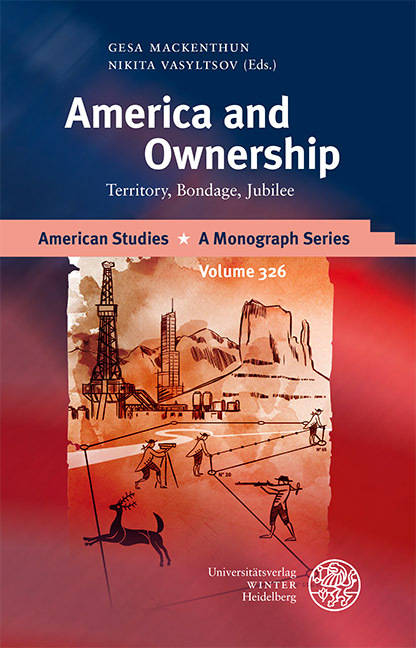
America and Ownership
Territory, Bondage, Jubilee
€ 156,45
+ 312 punten
Omschrijving
The repercussions of global financial crisis, struggles over fossil fuel extraction, the Covid pandemic, and recent tectonic shifts in the U.S. political systems have increased the asymmetrical distribution of property in the United States and elsewhere. In focusing on the centrality of property to U.S. literature and culture, a variety of contributors - among others Jean O'Brien, Nicole Maskiell, and Peter Schneck - address issues like housing, land and resource extraction, data extraction and cultural representations of wealth asymmetries by discussing exemplary cases of how the American legacies of African slavery and Indigenous dispossession have affected social conditions, human culture, and interactions with the non-human world. They reflect on how political movements like Occupy, Black Lives Matter, initiatives for a fairer distribution of housing, a cession of Indigenous dispossession, and a respectful and sustainable treatment of natural ecosystems call for a critical reassessment of property culture in the United States.
Specificaties
Betrokkenen
- Uitgeverij:
Inhoud
- Aantal bladzijden:
- 421
- Taal:
- Engels
- Reeks:
- Reeksnummer:
- nr. 326
Eigenschappen
- Productcode (EAN):
- 9783825396480
- Verschijningsdatum:
- 7/07/2025
- Uitvoering:
- Hardcover
- Formaat:
- Genaaid
- Afmetingen:
- 135 mm x 211 mm
- Gewicht:
- 485 g

Alleen bij Standaard Boekhandel
+ 312 punten op je klantenkaart van Standaard Boekhandel
CADEAU


Beoordelingen
We publiceren alleen reviews die voldoen aan de voorwaarden voor reviews. Bekijk onze voorwaarden voor reviews.