


- Afhalen na 1 uur in een winkel met voorraad
- Gratis thuislevering in België vanaf € 30
- Ruim aanbod met 7 miljoen producten
- Afhalen na 1 uur in een winkel met voorraad
- Gratis thuislevering in België vanaf € 30
- Ruim aanbod met 7 miljoen producten





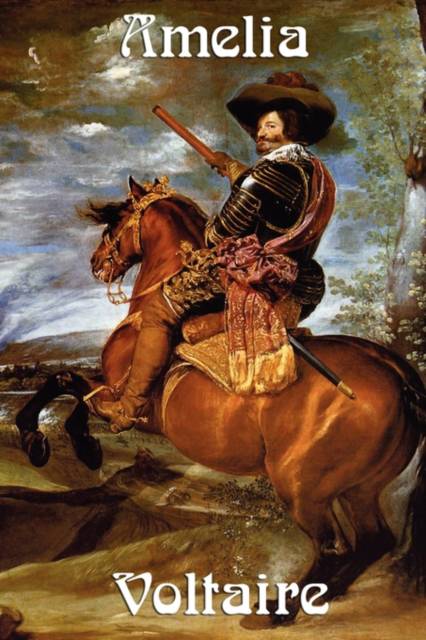
Amelia
A Historical Tragedy of Love, Power, and Loyalty in Medieval Brittany
Voltaire
Paperback | Engels
€ 16,45
+ 32 punten
Uitvoering
Eenvoudig bestellen
Veilig betalen


Gratis thuislevering vanaf € 30 (via bpost)
Gratis levering in je Standaard Boekhandel
Omschrijving
Voltaire's Amelia is a historical tragedy of love, loyalty, political power, and fatal conflict in medieval Brittany. Founded on events surrounding a duke of Brittany in 1387, the play brings Voltaire's dramatic intelligence to a world of noble ambition, courtly danger, private feeling, and public consequence. As personal devotion collides with authority and violence, the drama reveals how rulers, families, and lovers can be trapped by honor, fear, and political necessity.
Published in the dramatic works section of the 1901 English-language Works of Voltaire, in William F. Fleming's translation, Amelia belongs to the side of Voltaire too often overshadowed by Candide and his philosophical writings: Voltaire the dramatist. The same Enlightenment mind that attacked fanaticism, cruelty, and tyranny in prose also worked through tragedy, using historical settings to test conscience, justice, loyalty, and the abuses of power.
For readers interested in French drama, Enlightenment literature, historical tragedy, medieval Brittany, and Voltaire beyond his best-known satires, Amelia offers a compact but serious example of his theatrical work. It is a useful title for collections of classic drama, French literature, historical plays, and the broader literary world of eighteenth-century Europe.
Specificaties
Betrokkenen
- Auteur(s):
- Vertaler(s):
- Uitgeverij:
Inhoud
- Aantal bladzijden:
- 42
- Taal:
- Engels
Eigenschappen
- Productcode (EAN):
- 9781617202599
- Verschijningsdatum:
- 10/02/2011
- Uitvoering:
- Paperback
- Formaat:
- Trade paperback (VS)
- Afmetingen:
- 152 mm x 229 mm
- Gewicht:
- 77 g


Alleen bij Standaard Boekhandel
+ 32 punten op je klantenkaart van Standaard Boekhandel
CADEAU

AANGERADEN


Beoordelingen
We publiceren alleen reviews die voldoen aan de voorwaarden voor reviews. Bekijk onze voorwaarden voor reviews.