


- Afhalen na 1 uur in een winkel met voorraad
- Gratis thuislevering in België vanaf € 30
- Ruim aanbod met 7 miljoen producten
- Afhalen na 1 uur in een winkel met voorraad
- Gratis thuislevering in België vanaf € 30
- Ruim aanbod met 7 miljoen producten





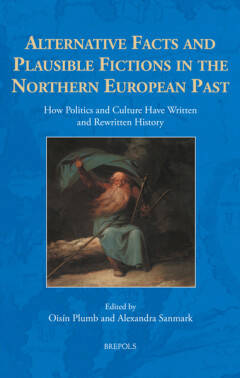
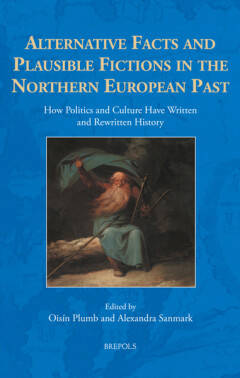
Alternative Facts and Plausible Fictions in the Northern European Past
Oisín Plumb
€ 90,10
+ 180 punten
Omschrijving
The use of the past for contemporary purposes has been a feature of historical and archaeological investigation from ancient times. This 'politicization of the past' is often associated with, at best, an inadvertent detachment from an objective use of evidence, and at worst, its wilful misuse. Such use of the past is perhaps most evident in the construction of narratives of nations and ethnic groups - particularly in relation to origins or the perceived 'golden ages' of peoples. This book seeks to assess the role played by different ideologies in the shaping of the past, from early times up until the present day, in the interpretation of the history and archaeology of Northern Europe, whether in Northern Europe itself or further afield. It also considers how those who research, interpret, and present the Northern European past should respond to such uses. The chapters drawn together here explore key questions, asking how contemporary ideologies of identity have shaped the past, what measures should be taken to discourage an inaccurate understanding of the past, and if scholars should draw on the past in order to counter racism and xenophobia, or if this can itself lead to potentially dangerous misunderstandings of history.
Specificaties
Betrokkenen
- Auteur(s):
- Uitgeverij:
Inhoud
- Aantal bladzijden:
- 192
- Taal:
- Engels
- Reeks:
- Reeksnummer:
- nr. 8
Eigenschappen
- Productcode (EAN):
- 9782503605753
- Verschijningsdatum:
- 22/08/2024
- Uitvoering:
- Hardcover
- Formaat:
- Genaaid
- Gewicht:
- 612 g


Alleen bij Standaard Boekhandel
+ 180 punten op je klantenkaart van Standaard Boekhandel
CADEAU

AANGERADEN


Beoordelingen
We publiceren alleen reviews die voldoen aan de voorwaarden voor reviews. Bekijk onze voorwaarden voor reviews.