


- Afhalen na 1 uur in een winkel met voorraad
- Gratis thuislevering in België vanaf € 30
- Ruim aanbod met 7 miljoen producten
- Afhalen na 1 uur in een winkel met voorraad
- Gratis thuislevering in België vanaf € 30
- Ruim aanbod met 7 miljoen producten





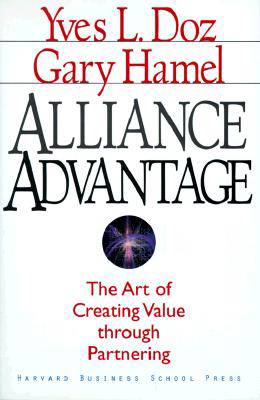
Alliance Advantage
The Art of Creating Value Through Partnering
Yves L Doz, Gary Hamel
Hardcover | Engels
€ 38,30
+ 76 punten
Omschrijving
Partnerships between companies receive a great deal of attention from top managers and researchers at the time of their formation. This attention results largely from the common perception that the initial structuring of partnerships and establishment of common goals determines partnership outcomes and success. In Alliance Advantage, Doz and Hamel shift the focus away from deal making to the internal processes within the partnership and the unfolding interactions among partners that play an important and relatively unexplored role in shaping outcomes. Focusing on the underlying reasons why companies enter alliances and the processes by which they continually learn from their interactions and re-evaluate common--and individual--goals, the authors paint a sophisticated picture of alliance dynamics over time. The authors challenge organizations to define their objectives for alliance formulation and consider whether their own corporate culture provides an "alliance ready" atmosphere.
Specificaties
Betrokkenen
- Auteur(s):
- Uitgeverij:
Inhoud
- Aantal bladzijden:
- 334
- Taal:
- Engels
Eigenschappen
- Productcode (EAN):
- 9780875846163
- Verschijningsdatum:
- 1/07/1998
- Uitvoering:
- Hardcover
- Formaat:
- Genaaid
- Afmetingen:
- 167 mm x 241 mm
- Gewicht:
- 666 g


Alleen bij Standaard Boekhandel
+ 76 punten op je klantenkaart van Standaard Boekhandel
Cadeau

AANGERADEN


Beoordelingen
We publiceren alleen reviews die voldoen aan de voorwaarden voor reviews. Bekijk onze voorwaarden voor reviews.