



Bedankt voor het vertrouwen het afgelopen jaar! Om jou te bedanken bieden we GRATIS verzending (in België) aan op alles gedurende de hele maand januari.
- Afhalen na 1 uur in een winkel met voorraad
- In januari gratis thuislevering in België
- Ruim aanbod met 7 miljoen producten
Bedankt voor het vertrouwen het afgelopen jaar! Om jou te bedanken bieden we GRATIS verzending (in België) aan op alles gedurende de hele maand januari.
- Afhalen na 1 uur in een winkel met voorraad
- In januari gratis thuislevering in België
- Ruim aanbod met 7 miljoen producten





€ 16,76
+ 16 punten
Uitvoering
Omschrijving
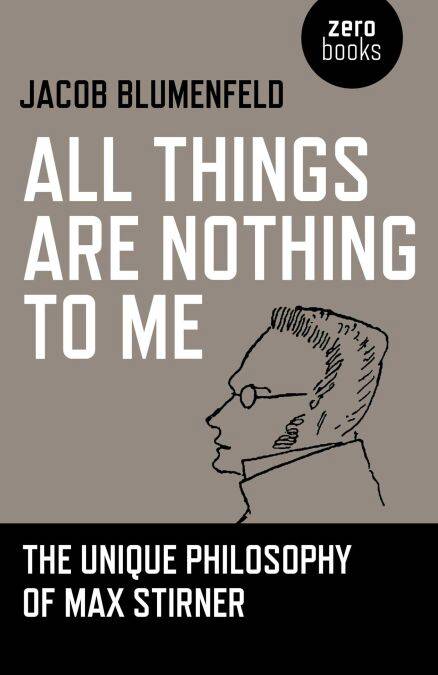
Max Stirner’s The Unique and Its Property (1844) is the first ruthless critique of modern society. In All Things are Nothing to Me, Jacob Blumenfeld reconstructs the unique philosophy of Max Stirner (1806–1856), a figure that strongly influenced—for better or worse—Karl Marx, Friedrich Nietzsche, Emma Goldman as well as numerous anarchists, feminists, surrealists, illegalists, existentialists, fascists, libertarians, dadaists, situationists, insurrectionists and nihilists of the last two centuries. Misunderstood, dismissed, and defamed, Stirner’s work is considered by some to be the worst book ever written. It combines the worst elements of philosophy, politics, history, psychology, and morality, and ties it all together with simple tautologies, fancy rhetoric, and militant declarations. That is the glory of Max Stirner’s unique footprint in the history of philosophy. Jacob Blumenfeld wanted to exhume this dead tome along with its dead philosopher, but discovered instead that, rather than deceased, their spirits are alive and quite well, floating in our presence. All Things are Nothing to Me is a forensic investigation into how Stirner has stayed alive throughout time.
Specificaties
Betrokkenen
- Auteur(s):
- Uitgeverij:
Inhoud
- Aantal bladzijden:
- 168
- Taal:
- Engels
- Reeks:
Eigenschappen
- Productcode (EAN):
- 9781785358951
- Verschijningsdatum:
- 13/12/2018
- Uitvoering:
- E-book
- Beveiligd met:
- Adobe DRM
- Formaat:
- ePub


Alleen bij Standaard Boekhandel
+ 16 punten op je klantenkaart van Standaard Boekhandel
SOLDEN


Beoordelingen
We publiceren alleen reviews die voldoen aan de voorwaarden voor reviews. Bekijk onze voorwaarden voor reviews.