



Bedankt voor het vertrouwen het afgelopen jaar! Om jou te bedanken bieden we GRATIS verzending (in België) aan op alles gedurende de hele maand januari.
- Afhalen na 1 uur in een winkel met voorraad
- In januari gratis thuislevering in België
- Ruim aanbod met 7 miljoen producten
Bedankt voor het vertrouwen het afgelopen jaar! Om jou te bedanken bieden we GRATIS verzending (in België) aan op alles gedurende de hele maand januari.
- Afhalen na 1 uur in een winkel met voorraad
- In januari gratis thuislevering in België
- Ruim aanbod met 7 miljoen producten





Omschrijving
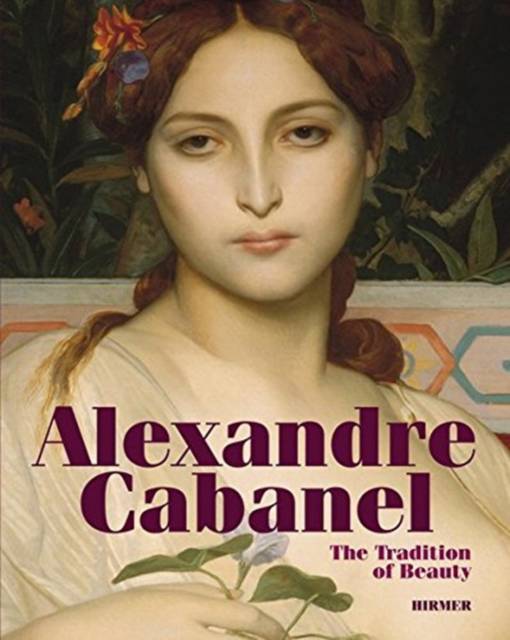
Today, one of the images of French painter Cabanel is more famous than he is. His Birth of Venus, purchased by Napoleon III at the Paris Salon of 1863, and which launched his career, currently graces posters, art prints, puzzles and bags. But a wealth of other, exquisitely executed academic paintings by the artist have remained hidden until now.
Born to a simple carpenter s family, Alexandre Cabanel (1823 1889) forged a career to become the preferred painter of Napoleon III and Ludwig II of Bavaria, becoming one of the leading French artists of the 19th century.
Cabanel was the successor to the classical tradition of Jacques-Louis David and his followers. As a contributor to the Paris Salons, he made his breakthrough with history paintings on mythological subjects, such as Phaedre and Ophelia, which allowed him to paint his famously pale, naked flesh. His Birth of Venus, painted for the Salon of 1863, is one outstanding example and today hangs in the Musée d Orsay in Paris.
This book includes 60 important works from Cabanel's output in seven thematic areas, including Salon paintings, portraits and his works on the theatre.
In 2011 the Wallraf-Richartz Museum in Cologne will show the exhibition that began this first retrospective of Alexandre Cabanel at the Musée Fabre in Montpellier.
Born to a simple carpenter s family, Alexandre Cabanel (1823 1889) forged a career to become the preferred painter of Napoleon III and Ludwig II of Bavaria, becoming one of the leading French artists of the 19th century.
Cabanel was the successor to the classical tradition of Jacques-Louis David and his followers. As a contributor to the Paris Salons, he made his breakthrough with history paintings on mythological subjects, such as Phaedre and Ophelia, which allowed him to paint his famously pale, naked flesh. His Birth of Venus, painted for the Salon of 1863, is one outstanding example and today hangs in the Musée d Orsay in Paris.
This book includes 60 important works from Cabanel's output in seven thematic areas, including Salon paintings, portraits and his works on the theatre.
In 2011 the Wallraf-Richartz Museum in Cologne will show the exhibition that began this first retrospective of Alexandre Cabanel at the Musée Fabre in Montpellier.
Specificaties
Betrokkenen
- Auteur(s):
- Uitgeverij:
Inhoud
- Aantal bladzijden:
- 128
- Taal:
- Engels
Eigenschappen
- Productcode (EAN):
- 9783777436913
- Verschijningsdatum:
- 4/02/2011
- Uitvoering:
- Boek
- Afmetingen:
- 247 mm x 305 mm
- Gewicht:
- 995 g



Alleen bij Standaard Boekhandel
+ 67 punten op je klantenkaart van Standaard Boekhandel
SOLDEN


Beoordelingen
We publiceren alleen reviews die voldoen aan de voorwaarden voor reviews. Bekijk onze voorwaarden voor reviews.