


- Afhalen na 1 uur in een winkel met voorraad
- Gratis thuislevering in België vanaf € 30
- Ruim aanbod met 7 miljoen producten
- Afhalen na 1 uur in een winkel met voorraad
- Gratis thuislevering in België vanaf € 30
- Ruim aanbod met 7 miljoen producten





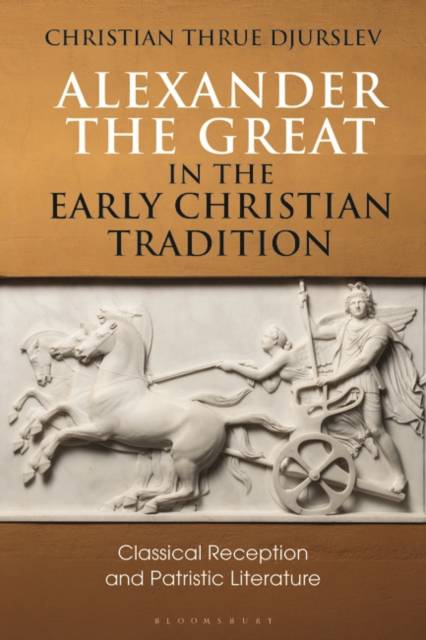
Alexander the Great in the Early Christian Tradition
Classical Reception and Patristic Literature
Christian Thrue Djurslev
€ 271,45
+ 542 punten
Omschrijving
What has Alexander the Great to do with Jesus Christ? Or the legendary king's conquest of the Persian Empire (335-23 BCE) to do with the prophecies of the Old Testament?
In many ways, the early Christian writings on Alexander and his legacy provide a lens through which it is possible to view the shaping of the literature and thought of the early church in the Greek East and the Latin West. This book articulates that fascinating discourse for the first time by focusing on the early Christian use of Alexander. Delving into an impressively deep pool of patristic literature written between 130-313 CE, Christian Thrue Djurslev offers original interpretations of various important authors, from the learned lawyer Tertullian to the 'Christian Cicero' Lactantius, and from the apologist Tatian to the first church historian Eusebius. He demonstrates that the early Christian adaptations of the Alexandrian myths created a new tradition that has continued to develop and expand ever since. This innovative work of reception studies is important reading for all scholars of Alexander the Great and early church history.Specificaties
Betrokkenen
- Auteur(s):
- Uitgeverij:
Inhoud
- Aantal bladzijden:
- 240
- Taal:
- Engels
- Reeks:
Eigenschappen
- Productcode (EAN):
- 9781788311649
- Verschijningsdatum:
- 12/12/2019
- Uitvoering:
- Hardcover
- Formaat:
- Genaaid
- Afmetingen:
- 156 mm x 234 mm
- Gewicht:
- 517 g


Alleen bij Standaard Boekhandel
+ 542 punten op je klantenkaart van Standaard Boekhandel
Cadeau

AANGERADEN


Beoordelingen
We publiceren alleen reviews die voldoen aan de voorwaarden voor reviews. Bekijk onze voorwaarden voor reviews.