


- Afhalen na 1 uur in een winkel met voorraad
- Gratis thuislevering in België vanaf € 30
- Ruim aanbod met 7 miljoen producten
- Afhalen na 1 uur in een winkel met voorraad
- Gratis thuislevering in België vanaf € 30
- Ruim aanbod met 7 miljoen producten





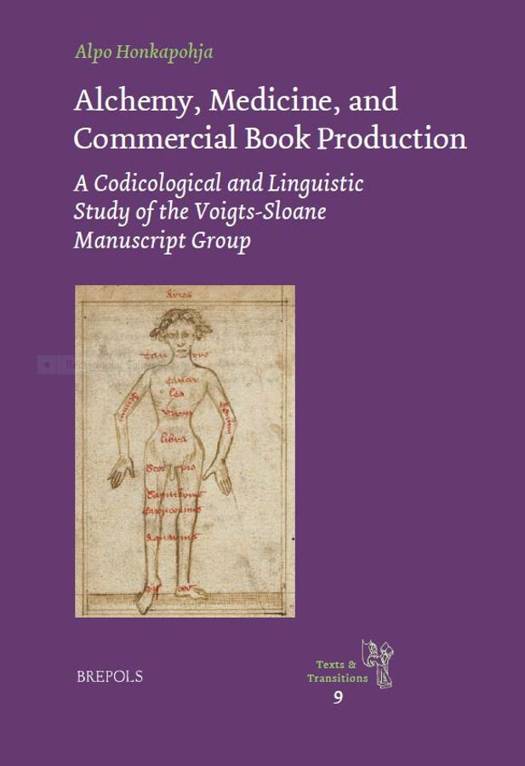
Alchemy, Medicine, and Commercial Book Production
A Codicological and Linguistic Study of the Voigts-Sloane Manuscript Group
Alpo Honkapohja
€ 95,40
+ 190 punten
Omschrijving
The Voigts-Sloane group of Middle English manuscripts, first described by Professor Emerita Linda Voigts in 1990, has attracted much curiosity and scholarly attention. The manuscripts exhibit a degree of uniformity that may originate from systematic copying of medical and alchemical manuscripts (possibly for speculative sale) in London or its metropolitan area in 1450s and 1460s - only decades before William Caxton established his printing press in Westminster. Some of the manuscripts share a strikingly similar mise-en-page, others present a standard anthology of medical treatises in a standard order. This book provides a thorough re-examination of these manuscripts through a combination of codicological and linguistic methodologies. It examines different procedures which may have facilitated the production of the manuscripts, including speculative production and copying of separate booklets. The study also addresses the dialect of the manuscripts, and code-switching between Latin and Middle English. By showing that the manuscripts sharing a similar layout are also written in the same dialect, the book thus provides important new information on the dialects of medical writing, and shows that dialect is a further defining feature for this manuscript group. The book also highlights late medieval concerns over alchemy and medicine, explaining the apparent contradiction of the inclusion of alchemy (which was illegal) in commercially copied manuscripts. This study thus provides both a comprehensive new description of these manuscripts, and sheds new light on the commercial and cultural contexts of book production in late medieval England.
Specificaties
Betrokkenen
- Auteur(s):
- Uitgeverij:
Inhoud
- Aantal bladzijden:
- 250
- Taal:
- Engels
- Reeks:
- Reeksnummer:
- nr. 9
Eigenschappen
- Productcode (EAN):
- 9782503566474
- Verschijningsdatum:
- 13/04/2017
- Uitvoering:
- Hardcover
- Formaat:
- Genaaid
- Afmetingen:
- 163 mm x 239 mm
- Gewicht:
- 557 g


Alleen bij Standaard Boekhandel
+ 190 punten op je klantenkaart van Standaard Boekhandel
Cadeau

AANGERADEN


Beoordelingen
We publiceren alleen reviews die voldoen aan de voorwaarden voor reviews. Bekijk onze voorwaarden voor reviews.