


- Afhalen na 1 uur in een winkel met voorraad
- Gratis thuislevering in België vanaf € 30
- Ruim aanbod met 7 miljoen producten
- Afhalen na 1 uur in een winkel met voorraad
- Gratis thuislevering in België vanaf € 30
- Ruim aanbod met 7 miljoen producten





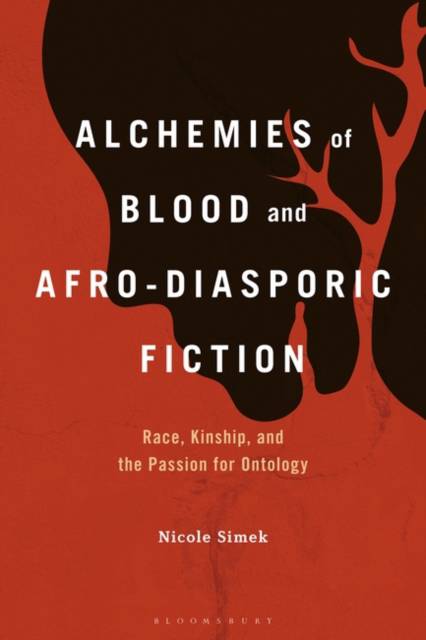
Alchemies of Blood and Afro-Diasporic Fiction
Race, Kinship, and the Passion for Ontology
Nicole Simek
Hardcover | Engels
€ 220,45
+ 440 punten
Omschrijving
Alchemies of Blood and Afro-Diasporic Fiction focuses on the resurgence of biological racism in 21st-century public discourse, the ontological and material turns in the academy that have occurred over the same time period, and how Afro-diasporic fiction has responded to both with alternative visions of bloodlines, kinship, and community.
In thinking through conceptions of race, ethnicity, and materiality at work within both humanities research and popular culture, Nicole Simek asks how the figure of alchemy - that semi-scientific, semi-mystical search for gold and the elixir of long life - can help scholars address the epistemological and affective investments in blood, bloodlines, and genetics marking both academic and mainstream discourses. To answer this question, Simek examines neo-plantation and Afrofuturist narratives, Afropessimist interventions, museums and public memory projects, and direct-to-consumer genetic testing services in the French Caribbean and the United States. This comparative approach to cultural production helps pinpoint and better understand the intersections and divergences between scholarship trends and troubling features of a broader Zeitgeist.Specificaties
Betrokkenen
- Auteur(s):
- Uitgeverij:
Inhoud
- Aantal bladzijden:
- 224
- Taal:
- Engels
Eigenschappen
- Productcode (EAN):
- 9781501377655
- Verschijningsdatum:
- 14/12/2023
- Uitvoering:
- Hardcover
- Formaat:
- Genaaid
- Afmetingen:
- 152 mm x 229 mm
- Gewicht:
- 462 g



Alleen bij Standaard Boekhandel
+ 440 punten op je klantenkaart van Standaard Boekhandel
Cadeau

AANGERADEN


Beoordelingen
We publiceren alleen reviews die voldoen aan de voorwaarden voor reviews. Bekijk onze voorwaarden voor reviews.