


- Afhalen na 1 uur in een winkel met voorraad
- Gratis thuislevering in België vanaf € 30
- Ruim aanbod met 7 miljoen producten
- Afhalen na 1 uur in een winkel met voorraad
- Gratis thuislevering in België vanaf € 30
- Ruim aanbod met 7 miljoen producten





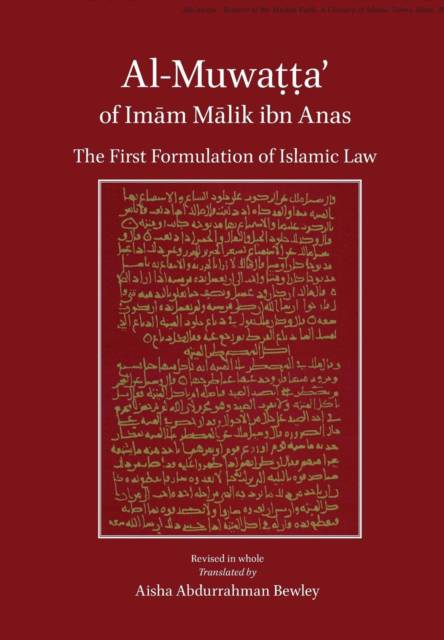
Omschrijving
Al-Muwatta of Imam Malik Ash-Shāfi'ī said, "After the Book of Allah, there is no book on the face of the earth sounder than the book of Mālik." 'Alā' ad-Dīn Maghlaṭāy al-Ḥanafī said, "The first person to compile the ṣaḥīḥ was Mālik." Ibn Ḥajar said, "The book of Mālik is sound by all the criteria that are demanded as proofs in the mursal, munqaṭi' and other types of transmission." As-Suyūṭī followed Ibn Ḥajar's judgement and said, "It is absolutely correct to say that the Muwaṭṭa' is sound (ṣaḥīḥ) without exception." Al-Bukhārī and Muslim transmitted most of its ḥadīths and included them in their Ṣaḥīḥ collections. The authors of the rest of the six books, the Imām of the ḥadīth scholars, Aḥmad ibn Ḥanbal, and others did the same. In addition, the Muwaṭṭa' contains a record of the practice ('amal) of the people of Madīnah of the first generations, a transmission of the ethos that permeated the city, and Imām Mālik's painstaking clarification of the Sunna, the ḥadīths, the practice and legal judgements. Imām Mālik ibn anas (93 AH/711 CE - 179 AH/795 CE) Imam Mālik's full name is Mālik ibn Anas ibn Mālik ibn Abī 'Āmir al-Aṣbaḥī and he was related to Dhū Aṣbaḥ, a sub-tribe of Ḥimyar. He was instructed in the learning and recitation of the Noble Qur'ān by Imām Nāfi' ibn 'Abd ar-Raḥmān ibn Abī Nu'aym, the Imām of the reciters of Madīna and one of the 'seven reciters'. Among the huge number of his teachers in ḥadīth and fiqh were Nāfi', the mawlā of 'Abdullāh ibn 'Umar, and Ibn Shihāb az-Zuhrī. He sat to give fatwā when he was seventeen years old after seventy Imāms had testified that he was worthy to give fatwā and teach. His own students included Imām ash-Shāfi'ī and Imām Muhammad ibn al-Ḥasan ash-Shaybānī the Ḥanafī mujtahid, as well as a great number of Imāms of ḥadīth and fiqh, and thus he is known as Imām al-A'immah 'the Imām of the Imāms'. He is recognised to be the subject of the hadith from Abū Hurayra î "The Messenger of Allah @ said, 'There will come a time when the people will beat the livers of their camels in search of knowledge and they will not find an 'ālim with more knowledge than the 'ālim of Madīna.'"
Specificaties
Betrokkenen
- Auteur(s):
- Vertaler(s):
- Uitgeverij:
Inhoud
- Aantal bladzijden:
- 764
- Taal:
- Engels
Eigenschappen
- Productcode (EAN):
- 9781908892362
- Verschijningsdatum:
- 7/04/2014
- Uitvoering:
- Hardcover
- Formaat:
- Genaaid
- Afmetingen:
- 156 mm x 234 mm
- Gewicht:
- 1220 g


Alleen bij Standaard Boekhandel
+ 111 punten op je klantenkaart van Standaard Boekhandel
AANGERADEN


Beoordelingen
We publiceren alleen reviews die voldoen aan de voorwaarden voor reviews. Bekijk onze voorwaarden voor reviews.