


- Afhalen na 1 uur in een winkel met voorraad
- Gratis thuislevering in België vanaf € 30
- Ruim aanbod met 7 miljoen producten
- Afhalen na 1 uur in een winkel met voorraad
- Gratis thuislevering in België vanaf € 30
- Ruim aanbod met 7 miljoen producten





€ 41,95
+ 83 punten
Omschrijving
"...very enlightening content." - IPMS/USA
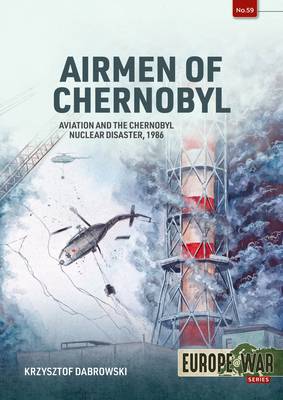
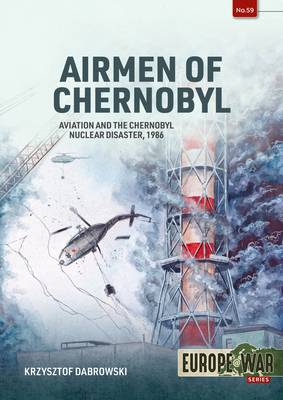
Nearly forty years have passed since the explosion at the Chernobyl nuclear power plant - the most severe nuclear accident in history and one of the gravest man-made disasters ever recorded. Countless books, documentaries, and films have examined the catastrophe and its aftermath. Yet, despite this abundance of material, a crucial aspect of the story has remained largely overlooked in English-language accounts: the immense contribution of Soviet aviation to the response effort.
In the shadow of the "liquidators" who manually cleared radioactive debris, thousands of aviators - especially helicopter crews - risked their lives flying repeated missions into the deadly plume above Reactor No. 4. Their work was vital in containing the fallout, delivering personnel and equipment, and monitoring radiation in conditions no aircraft had ever been designed to endure. Their story has never received the recognition it deserves.
This volume seeks to correct that imbalance. It places the aviation response to Chernobyl within its essential context: the rise of nuclear power in the Soviet Union, the events of April 1986, and the urgent campaign to mitigate the disaster's consequences. It also explores the development of Soviet helicopter aviation, the Cold War nuclear environment, and the long-term impacts of the accident - effects that continue to be felt today.
By focusing on the aviators and their machines, this book reveals a largely untold chapter in the history of Chernobyl - one of extraordinary courage, technical improvisation, and sacrifice in the face of unprecedented danger.
Nearly forty years have passed since the explosion at the Chernobyl nuclear power plant - the most severe nuclear accident in history and one of the gravest man-made disasters ever recorded. Countless books, documentaries, and films have examined the catastrophe and its aftermath. Yet, despite this abundance of material, a crucial aspect of the story has remained largely overlooked in English-language accounts: the immense contribution of Soviet aviation to the response effort.
In the shadow of the "liquidators" who manually cleared radioactive debris, thousands of aviators - especially helicopter crews - risked their lives flying repeated missions into the deadly plume above Reactor No. 4. Their work was vital in containing the fallout, delivering personnel and equipment, and monitoring radiation in conditions no aircraft had ever been designed to endure. Their story has never received the recognition it deserves.
This volume seeks to correct that imbalance. It places the aviation response to Chernobyl within its essential context: the rise of nuclear power in the Soviet Union, the events of April 1986, and the urgent campaign to mitigate the disaster's consequences. It also explores the development of Soviet helicopter aviation, the Cold War nuclear environment, and the long-term impacts of the accident - effects that continue to be felt today.
By focusing on the aviators and their machines, this book reveals a largely untold chapter in the history of Chernobyl - one of extraordinary courage, technical improvisation, and sacrifice in the face of unprecedented danger.
Specificaties
Betrokkenen
- Auteur(s):
- Uitgeverij:
Inhoud
- Aantal bladzijden:
- 62
- Taal:
- Engels
- Reeks:
Eigenschappen
- Productcode (EAN):
- 9781804518687
- Verschijningsdatum:
- 28/02/2026
- Uitvoering:
- Paperback
- Formaat:
- Trade paperback (VS)
- Afmetingen:
- 204 mm x 292 mm
- Gewicht:
- 272 g


Alleen bij Standaard Boekhandel
+ 83 punten op je klantenkaart van Standaard Boekhandel
Cadeau

AANGERADEN


Beoordelingen
We publiceren alleen reviews die voldoen aan de voorwaarden voor reviews. Bekijk onze voorwaarden voor reviews.