


- Afhalen na 1 uur in een winkel met voorraad
- Gratis thuislevering in België vanaf € 30
- Ruim aanbod met 7 miljoen producten
- Afhalen na 1 uur in een winkel met voorraad
- Gratis thuislevering in België vanaf € 30
- Ruim aanbod met 7 miljoen producten





€ 14,95
+ 29 punten
Omschrijving
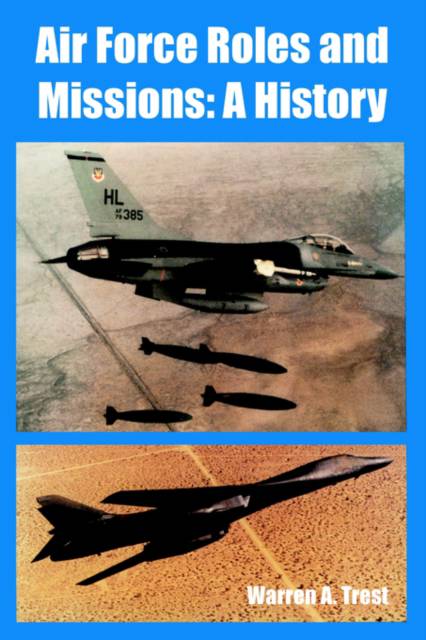
When this volume was conceived, no official definition of roles and missions existed. As the volume progressed, however, intense scrutiny of the subject emanating from the Goldwater-Nichols Reorganization Act of 1986 and the winding down of the Cold War stimulated an active interest in formal terminology. The search for formal definition added to the roles and missions lore, but it did not affect this work. The popular military usage and meaning of roles and missions long ago became commonplace in official documents and military literature. Accepted usage dating from the post-World War II period established the synonymity of the phrase roles and missions with the legally framed functions of the armed forces, as set forth by executive order pursuant to the National Security Act of 1947. Approved by President Harry S. Truman on July 28, 1947, that landmark legislation created the United States Air Force and unified the armed forces under the National Military Establishment and later the Department of Defense (DOD). The Act failed, however, to end bitter interservice feuding over roles and missions which began with the birth of military aviation in 1907 and intensified over the intervening years. The phrase roles and missions actually predates the National Security Act of 1947---appearing often in unification debates which preceded the law's enactment. Documents from this period show military officers using the phrase frequently when expressing their views on the functions of the armed forces. While defending the Army Air Forces before congressional hearings in March 1947, Gen. Carl A. Spaatz challenged a Navy proposal to delineate the services' functions in pending legislation---arguing persuasively that the President "prescribes the roles and missions of the Army, Navy, and Air Forces." When Dwight D. Eisenhower and other top Army generals agreed, Spaatz's argument prevailed.
Specificaties
Betrokkenen
- Auteur(s):
- Uitgeverij:
Inhoud
- Aantal bladzijden:
- 348
- Taal:
- Engels
Eigenschappen
- Productcode (EAN):
- 9781410222572
- Verschijningsdatum:
- 26/04/2005
- Uitvoering:
- Paperback
- Formaat:
- Trade paperback (VS)
- Afmetingen:
- 152 mm x 229 mm
- Gewicht:
- 508 g


Alleen bij Standaard Boekhandel
+ 29 punten op je klantenkaart van Standaard Boekhandel
Cadeau

AANGERADEN


Beoordelingen
We publiceren alleen reviews die voldoen aan de voorwaarden voor reviews. Bekijk onze voorwaarden voor reviews.