


- Afhalen na 1 uur in een winkel met voorraad
- Gratis thuislevering in België vanaf € 30
- Ruim aanbod met 7 miljoen producten
- Afhalen na 1 uur in een winkel met voorraad
- Gratis thuislevering in België vanaf € 30
- Ruim aanbod met 7 miljoen producten





€ 41,95
+ 83 punten
Omschrijving
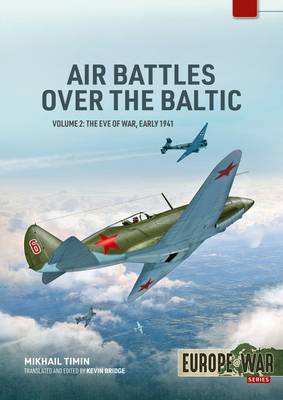
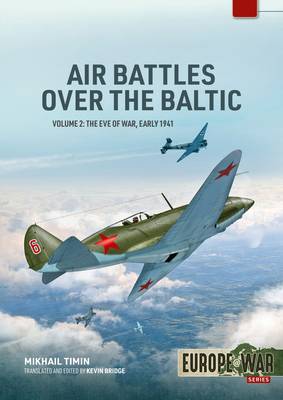
The second volume in this major four-part study examines the crucial months leading up to the German invasion of the Soviet Union. Drawing on Soviet and German archival sources, Mikhail Timin reconstructs the condition of the Soviet Air Forces in the Baltic region during early 1941, and compares them directly with the Luftwaffe units preparing to strike across the border.
The book explores the Red Air Force's continued efforts to expand and modernise. While some units received new fighters and bombers, many still relied on outdated types, and shortages of fuel, spares and ammunition undermined readiness. Training remained inconsistent, with thousands of inexperienced pilots entering frontline regiments, often with minimal flying hours. Timin demonstrates how Soviet commanders struggled to balance the urgent need for combat preparation with the administrative demands of constant reorganisations.
At the same time, the Luftwaffe was preparing its own assault. The volume sets out the German order of battle, airfields, and the deployment of reconnaissance units that probed Soviet defences in the months before Operation Barbarossa. The plans of both sides are examined in detail, including the German strategy for pre-emptive strikes and the Soviet directives intended to counter them. Reconnaissance operations, intelligence assessments, and command assumptions are analysed to show how each side viewed the coming confrontation.
Richly illustrated with colour profiles, photographs, maps and tables, this volume offers a balanced assessment of the strengths and weaknesses of both the Soviet and German alignments in the Baltic. It demonstrates how structural weaknesses, training shortfalls and misplaced assumptions left the Red Air Force dangerously exposed on the eve of war, setting the stage for the catastrophic battles of 22 June 1941.
The book explores the Red Air Force's continued efforts to expand and modernise. While some units received new fighters and bombers, many still relied on outdated types, and shortages of fuel, spares and ammunition undermined readiness. Training remained inconsistent, with thousands of inexperienced pilots entering frontline regiments, often with minimal flying hours. Timin demonstrates how Soviet commanders struggled to balance the urgent need for combat preparation with the administrative demands of constant reorganisations.
At the same time, the Luftwaffe was preparing its own assault. The volume sets out the German order of battle, airfields, and the deployment of reconnaissance units that probed Soviet defences in the months before Operation Barbarossa. The plans of both sides are examined in detail, including the German strategy for pre-emptive strikes and the Soviet directives intended to counter them. Reconnaissance operations, intelligence assessments, and command assumptions are analysed to show how each side viewed the coming confrontation.
Richly illustrated with colour profiles, photographs, maps and tables, this volume offers a balanced assessment of the strengths and weaknesses of both the Soviet and German alignments in the Baltic. It demonstrates how structural weaknesses, training shortfalls and misplaced assumptions left the Red Air Force dangerously exposed on the eve of war, setting the stage for the catastrophic battles of 22 June 1941.
Specificaties
Betrokkenen
- Auteur(s):
- Uitgeverij:
Inhoud
- Aantal bladzijden:
- 108
- Taal:
- Engels
- Reeks:
Eigenschappen
- Productcode (EAN):
- 9781804519615
- Verschijningsdatum:
- 31/05/2026
- Uitvoering:
- Paperback
- Formaat:
- Trade paperback (VS)
- Afmetingen:
- 210 mm x 298 mm


Alleen bij Standaard Boekhandel
+ 83 punten op je klantenkaart van Standaard Boekhandel

Beoordelingen
We publiceren alleen reviews die voldoen aan de voorwaarden voor reviews. Bekijk onze voorwaarden voor reviews.