


- Afhalen na 1 uur in een winkel met voorraad
- Gratis thuislevering in België vanaf € 30
- Ruim aanbod met 7 miljoen producten
- Afhalen na 1 uur in een winkel met voorraad
- Gratis thuislevering in België vanaf € 30
- Ruim aanbod met 7 miljoen producten





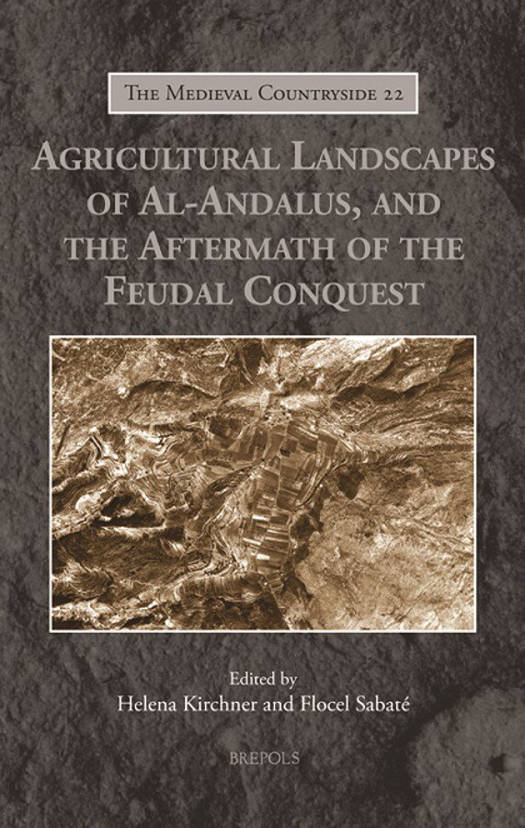
Agricultural Landscapes of Al-Andalus, and the Aftermath of the Feudal Conquest
Helena Kirchner
€ 84,80
+ 169 punten
Omschrijving
This volume presents recent archaeological research on the agriculture and society of al-Andalus during the Middle Ages, especially from the perspective of 'hydraulic archaeology' - an avenue of research developed by Spanish researchers which focuses on the analysis of irrigation systems created by Islamic colonists from the eighth century onwards. More recently, this research perspective has incorporated the analysis of other agricultural systems, such as dryland agriculture and pasturelands. All of these agricultural regimes are complementary in peasant-led subsistence agricultural systems. From a methodological perspective, this archaeological approach is highly innovative, and uses a wide range of techniques (aerial photography, cartographical analysis, field survey, archival research, and archaeological excavation) in order to outline the size and boundaries of cultivation and grazing areas, to define specific plots of land and the related road networks, and to identify other associated facilities, such as watermills. In connection with these topics, several issues are discussed: the earmarking of rural or urban farming areas for irrigation, draining, or dryland agriculture; the process of construction and the subsequent evolution of these farming areas; the transformations undergone by these areas after the feudal conquest; and, finally, the identification of pasturelands and the analysis of the evidence concerning their management.
Specificaties
Betrokkenen
- Auteur(s):
- Uitgeverij:
Inhoud
- Aantal bladzijden:
- 277
- Taal:
- Engels
- Reeks:
- Reeksnummer:
- nr. 22
Eigenschappen
- Productcode (EAN):
- 9782503593975
- Verschijningsdatum:
- 20/01/2022
- Uitvoering:
- Hardcover
- Formaat:
- Genaaid
- Gewicht:
- 5479 g


Alleen bij Standaard Boekhandel
+ 169 punten op je klantenkaart van Standaard Boekhandel
Cadeau

AANGERADEN


Beoordelingen
We publiceren alleen reviews die voldoen aan de voorwaarden voor reviews. Bekijk onze voorwaarden voor reviews.