


- Afhalen na 1 uur in een winkel met voorraad
- Gratis thuislevering in België vanaf € 30
- Ruim aanbod met 7 miljoen producten
- Afhalen na 1 uur in een winkel met voorraad
- Gratis thuislevering in België vanaf € 30
- Ruim aanbod met 7 miljoen producten





€ 67,45
+ 134 punten
Omschrijving
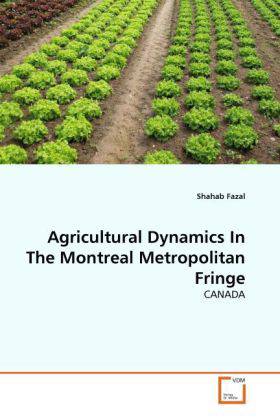
People in settlements need food, raw materials, and relaxation, the gaining of all of which involves exploiting the natural resources of the vicinity. The supply chains of modern cities are extensive and complex. Equally, urban demands affect land cover beyond their immediate vicinity, settlement expansion thus involves both a compact direct change in land cover and a widespread force affecting land cover and land use in other areas. Agriculture occupies a curiously paradoxical situation with respect to the natural environment. Despite the declining role of land in farm input structure in many regions, the increasing importance of capital for inputs in non-farm origins and the emergence of highly specialized 'factory' farms, agriculture continues to retain a strong link with the biophysical environment. The present study tries to study the agricultural activity in the surrounding Census Divisions of Montreal Metropolitan Region.
Specificaties
Betrokkenen
- Auteur(s):
- Uitgeverij:
Inhoud
- Aantal bladzijden:
- 108
- Taal:
- Engels
Eigenschappen
- Productcode (EAN):
- 9783639288483
- Verschijningsdatum:
- 13/10/2010
- Uitvoering:
- Paperback
- Afmetingen:
- 152 mm x 229 mm
- Gewicht:
- 168 g


Alleen bij Standaard Boekhandel
+ 134 punten op je klantenkaart van Standaard Boekhandel

Beoordelingen
We publiceren alleen reviews die voldoen aan de voorwaarden voor reviews. Bekijk onze voorwaarden voor reviews.