


- Afhalen na 1 uur in een winkel met voorraad
- Gratis thuislevering in België vanaf € 30
- Ruim aanbod met 7 miljoen producten
- Afhalen na 1 uur in een winkel met voorraad
- Gratis thuislevering in België vanaf € 30
- Ruim aanbod met 7 miljoen producten





€ 84,80
+ 169 punten
Omschrijving
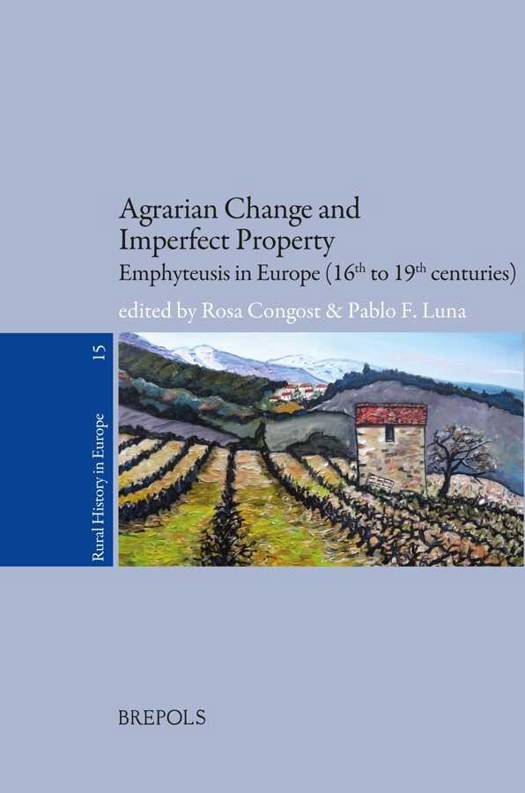
This book is situated at the crossroads of two recurring themes in rural history: agrarian contracts and property rights. Emphyteusis is at the heart of agrarian history in that it brings together agricultural history and the nature of social relations in traditional societies. Despite this, many such contracts have been blithely ignored, or unjustly dismissed, either because they are hard to identify, given the many variants that existed, or because, as a form of divided property, they are generally perceived in a negative light. Nevertheless, emphyteusis is to be found everywhere, even in regions which deny its existence, and it is far from being obsolete. Rather, it is flourishing, prospering and long-lived, particularly in urban areas. Emphyteusis has a long history and has played a central role, sometimes misleading, but always crucial, in the process of agricultural development. It has held sway as a substitute when access to property has been impossible, and as a source of conflicts has often revealed the nature of power relations between property owners on the one hand, whether seigneurial or not, and cultivators, short-term and long-term tenants on the other. The different chapters in this volume illuminate these multiple facets and forms of this type of contract and imperfect property rights. Though the focus is on Mediterranean societies, the questions raised have relevance far beyond this specific area.
Specificaties
Betrokkenen
- Auteur(s):
- Uitgeverij:
Inhoud
- Aantal bladzijden:
- 311
- Taal:
- Engels
- Reeks:
- Reeksnummer:
- nr. 15
Eigenschappen
- Productcode (EAN):
- 9782503579238
- Verschijningsdatum:
- 17/09/2018
- Uitvoering:
- Paperback
- Formaat:
- Trade paperback (VS)
- Afmetingen:
- 155 mm x 231 mm
- Gewicht:
- 544 g



Alleen bij Standaard Boekhandel
+ 169 punten op je klantenkaart van Standaard Boekhandel
Cadeau

AANGERADEN


Beoordelingen
We publiceren alleen reviews die voldoen aan de voorwaarden voor reviews. Bekijk onze voorwaarden voor reviews.