


- Afhalen na 1 uur in een winkel met voorraad
- Gratis thuislevering in België vanaf € 30
- Ruim aanbod met 7 miljoen producten
- Afhalen na 1 uur in een winkel met voorraad
- Gratis thuislevering in België vanaf € 30
- Ruim aanbod met 7 miljoen producten





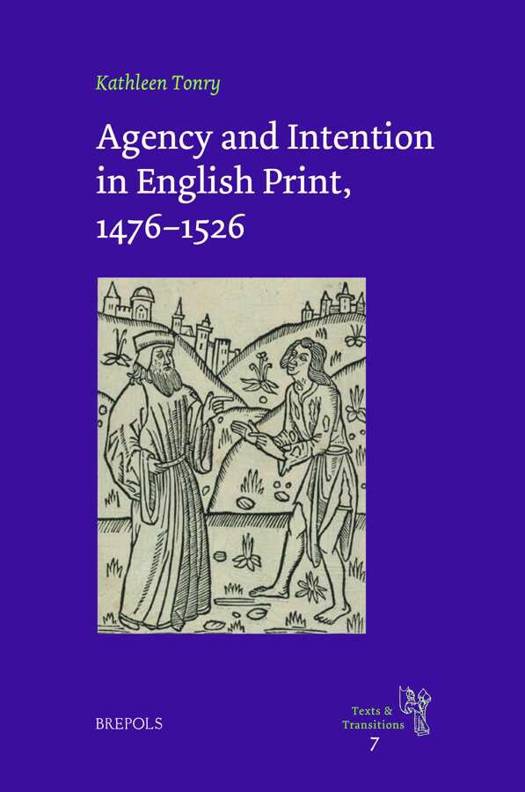
Agency and Intention in English Print, 1476-1526
Kathleen Tonry
€ 95,40
+ 190 punten
Omschrijving
This volume offers a new intellectual framework for early print that bridges divisions between the study of print and the study of literature, between manuscripts and printed books, and between pre- and post-1500 textual cultures. Through an extensive focus on medieval texts and ideas, it is demonstrated here that in the half-century before the Reformation, English print was part of a highly energetic tradition of late medieval textual production. Central to this tradition was the expression of ethical agency, or moral 'entente', through the creation of texts and books. This insight reveals how the first English printed books expressed the deliberate moral and cultural commitments of individual printers. By following early print across a range of genres (history writing, religious instruction, hagiography, law books, and translation), this study also sheds light on the contexts within which the agencies of early printers mattered, including mercantile politics, civic and statute law, and theological economics. The volume, which treats the pre-Reformation press as a whole, is based in particular on the bibliographical evidence provided in editions by William Caxton, Wynkyn de Worde, Richard Pynson, John Rastell, and Thomas Berthelet, as well as on close readings of texts and contextual materials. The questions raised here, however, are about more than old books and early printers: ultimately, this study argues that the history of the material book is an intellectual history of agency and textual production.
Specificaties
Betrokkenen
- Auteur(s):
- Uitgeverij:
Inhoud
- Aantal bladzijden:
- 241
- Taal:
- Engels
- Reeks:
- Reeksnummer:
- nr. 7
- Geïllustreerd:
- Ja
Eigenschappen
- Productcode (EAN):
- 9782503535760
- Verschijningsdatum:
- 22/09/2016
- Uitvoering:
- Hardcover
- Formaat:
- Genaaid
- Afmetingen:
- 163 mm x 239 mm
- Gewicht:
- 589 g


Alleen bij Standaard Boekhandel
+ 190 punten op je klantenkaart van Standaard Boekhandel
Cadeau

AANGERADEN


Beoordelingen
We publiceren alleen reviews die voldoen aan de voorwaarden voor reviews. Bekijk onze voorwaarden voor reviews.