



Je cadeautjes zeker op tijd in huis hebben voor de feestdagen? Kom langs in onze winkels en vind het perfecte geschenk!
- Afhalen na 1 uur in een winkel met voorraad
- Gratis thuislevering in België vanaf € 30
- Ruim aanbod met 7 miljoen producten
Je cadeautjes zeker op tijd in huis hebben voor de feestdagen? Kom langs in onze winkels en vind het perfecte geschenk!
- Afhalen na 1 uur in een winkel met voorraad
- Gratis thuislevering in België vanaf € 30
- Ruim aanbod met 7 miljoen producten





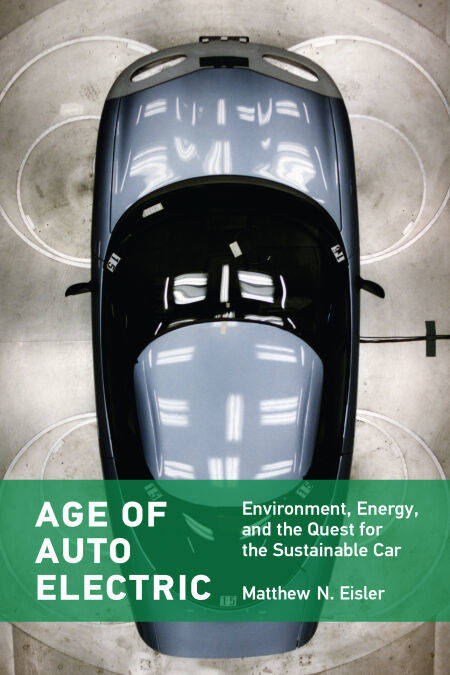
Age of Auto Electric E-BOOK
Environment, Energy, and the Quest for the Sustainable Car
Matthew N. Eisler
€ 54,21
+ 54 punten
Uitvoering
Omschrijving
The electric vehicle revival reflects negotiations between public policy, which promotes clean, fuel-efficient vehicles, and the auto industry, which promotes high-performance vehicles.
Electric cars were once as numerous as internal combustion engine cars before all but vanishing from American roads around World War I. Now, we are in the midst of an electric vehicle revival, and the goal for a sustainable car seems to be within reach. In Age of Auto Electric, Matthew N. Eisler shows that the halting development of the electric car in the intervening decades was a consequence of tensions between environmental, energy, and economic policy imperatives that informed a protracted reappraisal of the automobile system. These factors drove the electric vehicle revival, argues Eisler, hastening automaking’s transformation into a science-based industry in the process.
Challenging the common assumption that the electric vehicle revival is due to the development of better batteries, Age of Auto Electric instead focuses on changing environmental and socioeconomic conditions, energy and environmental policies, systems of energy conversion and industrial production, and innovation practices that affected the prevalence and popularity of electric vehicles in recent decades. Eisler describes a world in transition from legacy to alternative energy-conversion systems and the promises, compromises, new problems, and unintended consequences that enterprise has entailed.
Electric cars were once as numerous as internal combustion engine cars before all but vanishing from American roads around World War I. Now, we are in the midst of an electric vehicle revival, and the goal for a sustainable car seems to be within reach. In Age of Auto Electric, Matthew N. Eisler shows that the halting development of the electric car in the intervening decades was a consequence of tensions between environmental, energy, and economic policy imperatives that informed a protracted reappraisal of the automobile system. These factors drove the electric vehicle revival, argues Eisler, hastening automaking’s transformation into a science-based industry in the process.
Challenging the common assumption that the electric vehicle revival is due to the development of better batteries, Age of Auto Electric instead focuses on changing environmental and socioeconomic conditions, energy and environmental policies, systems of energy conversion and industrial production, and innovation practices that affected the prevalence and popularity of electric vehicles in recent decades. Eisler describes a world in transition from legacy to alternative energy-conversion systems and the promises, compromises, new problems, and unintended consequences that enterprise has entailed.
Specificaties
Betrokkenen
- Auteur(s):
- Uitgeverij:
Inhoud
- Aantal bladzijden:
- 378
- Taal:
- Engels
- Reeks:
Eigenschappen
- Productcode (EAN):
- 9780262372039
- Verschijningsdatum:
- 5/12/2022
- Uitvoering:
- E-book
- Beveiligd met:
- Adobe DRM
- Formaat:
- ePub


Alleen bij Standaard Boekhandel
+ 54 punten op je klantenkaart van Standaard Boekhandel
CADEAU


Beoordelingen
We publiceren alleen reviews die voldoen aan de voorwaarden voor reviews. Bekijk onze voorwaarden voor reviews.