


- Afhalen na 1 uur in een winkel met voorraad
- Gratis thuislevering in België vanaf € 30
- Ruim aanbod met 7 miljoen producten
- Afhalen na 1 uur in een winkel met voorraad
- Gratis thuislevering in België vanaf € 30
- Ruim aanbod met 7 miljoen producten




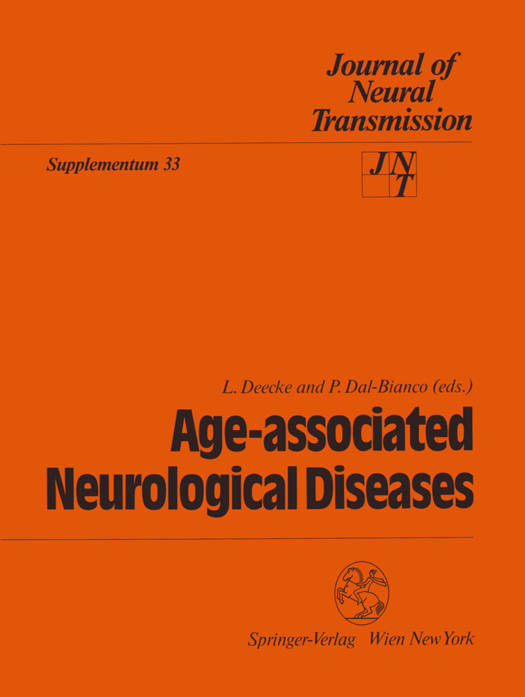
Age-Associated Neurological Diseases
€ 53,45
Omschrijving
The papers compiled in this supplementum are a selection of the best con- th tributions presented at the 19 Central-European Neurological Symposium (CNS 19) held on June 29 - July 1, 1989 in Vienna. The main topic of this conference was degenerative and age-associated neurological diseases. In recent decades life expectancy has dramatically increased, at least in the industrialized countries. This has led to extreme distortions of the so-called population pyramids that no longer look like such but begin to almost resemble cylinders. As a consequence of this "overaging" of the population, diseases that are associated with age have become much more common than before. It was thus more than reasonable to devote a congress of the CNS series to these important neurological diseases. The following fields of interest are covered: Age-associated memory impairment (AAMI), Alzheimer's and other dementias, Parkinson's disease and other movement disorders, stroke and others. Concerning the de men- tias, some papers deal with diagnosis employing neuro-imaging methods such as MRI, CT, PET and SPECT, others using electrophysiological methods. An important aspect in the early preclinical diagnosis of dementia is the inclusion of neuropsychological tests to enhance the chance of effec- tive early treatment. Also drugs that are now under clinical investigation are discussed and preliminary results are presented.
Specificaties
Betrokkenen
- Uitgeverij:
Inhoud
- Aantal bladzijden:
- 165
- Taal:
- Engels
- Reeks:
- Reeksnummer:
- nr. 33
Eigenschappen
- Productcode (EAN):
- 9783211822616
- Verschijningsdatum:
- 13/09/1991
- Eerder verschenen als:
- Uitvoering:
- Paperback
- Formaat:
- Trade paperback (VS)
- Afmetingen:
- 210 mm x 279 mm
- Gewicht:
- 417 g

Alleen bij Standaard Boekhandel
Cadeau

AANGERADEN


Beoordelingen
We publiceren alleen reviews die voldoen aan de voorwaarden voor reviews. Bekijk onze voorwaarden voor reviews.