


- Afhalen na 1 uur in een winkel met voorraad
- Gratis thuislevering in België vanaf € 30
- Ruim aanbod met 7 miljoen producten
- Afhalen na 1 uur in een winkel met voorraad
- Gratis thuislevering in België vanaf € 30
- Ruim aanbod met 7 miljoen producten





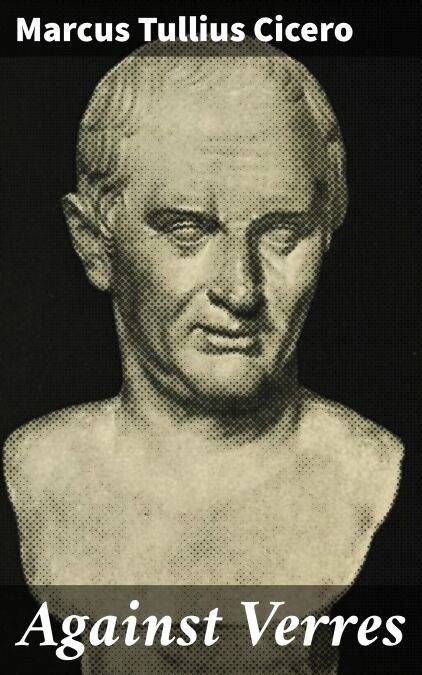
Against Verres E-BOOK
Unveiling Corruption: A Timeless Call for Justice and Integrity in Ancient Rome
Marcus Tullius Cicero
E-book | Engels
€ 1,99
+ 1 punten
Omschrijving
Marcus Tullius Cicero's 'Against Verres' is a powerful piece of rhetoric that stands as a scathing indictment of corruption and injustice. Written in a persuasive and eloquent style characteristic of Cicero, the book details the crimes committed by Gaius Verres, a corrupt Roman governor, and calls for justice to be served. Through vivid imagery and compelling arguments, Cicero showcases his skill in using language as a tool for social critique and reform. The book, set in the context of the late Roman Republic, serves as a timeless reminder of the importance of upholding ethical governance and the rule of law. Cicero's meticulous documentation of Verres' atrocities serves as a cautionary tale for those in positions of power. Marcus Tullius Cicero, a renowned Roman statesman, lawyer, and philosopher, was known for his unwavering commitment to justice and integrity. His background as a skilled orator and legal expert undoubtedly influenced his decision to write 'Against Verres', a book that reflects his dedication to exposing and combating corruption. I highly recommend 'Against Verres' to readers interested in Roman history, political ethics, and the enduring power of rhetoric in advocating for social change.
Specificaties
Betrokkenen
- Auteur(s):
- Vertaler(s):
- Uitgeverij:
Inhoud
- Aantal bladzijden:
- 434
- Taal:
- Engels
Eigenschappen
- Productcode (EAN):
- 4064066467746
- Verschijningsdatum:
- 9/04/2021
- Uitvoering:
- E-book
- Beveiligd met:
- Digital watermarking
- Formaat:
- ePub



Alleen bij Standaard Boekhandel
+ 1 punten op je klantenkaart van Standaard Boekhandel
CADEAU


Beoordelingen
We publiceren alleen reviews die voldoen aan de voorwaarden voor reviews. Bekijk onze voorwaarden voor reviews.