


- Afhalen na 1 uur in een winkel met voorraad
- Gratis thuislevering in België vanaf € 30
- Ruim aanbod met 7 miljoen producten
- Afhalen na 1 uur in een winkel met voorraad
- Gratis thuislevering in België vanaf € 30
- Ruim aanbod met 7 miljoen producten





€ 32,45
+ 64 punten
Omschrijving
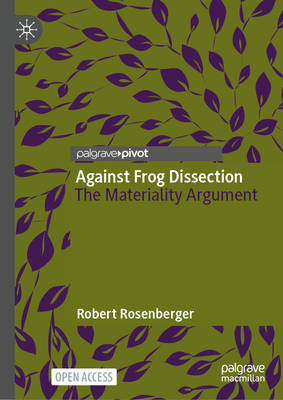
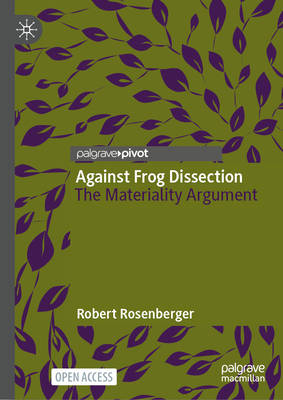
This open access book offers a provocative critique of the widespread classroom practice of frog dissection. Drawing from philosophy of technology and Science & Technology Studies (STS), Robert Rosenberger challenges the entrenched "dissection paradigm" that frames frog dissection as merely a hands-on encounter with nature and an educational ideal. He argues instead that the dead frog should be also understood as a mediating technology--an artifact shaped by social, ethical, and pedagogical forces. Rosenberger proposes a shift in thinking that not only strengthens ethical and environmental critiques but also reimagines the potential of simulation technologies. Written in an accessible style for both academic and activist audiences, this short book contributes a fresh materiality-based argument to the ongoing debate and opens new avenues for humane and innovative science education.
Specificaties
Betrokkenen
- Auteur(s):
- Uitgeverij:
Inhoud
- Aantal bladzijden:
- 102
- Taal:
- Engels
Eigenschappen
- Productcode (EAN):
- 9783032143457
- Verschijningsdatum:
- 5/02/2026
- Uitvoering:
- Hardcover
- Formaat:
- Genaaid
- Afmetingen:
- 148 mm x 210 mm


Alleen bij Standaard Boekhandel
+ 64 punten op je klantenkaart van Standaard Boekhandel
CADEAU


Beoordelingen
We publiceren alleen reviews die voldoen aan de voorwaarden voor reviews. Bekijk onze voorwaarden voor reviews.