


- Afhalen na 1 uur in een winkel met voorraad
- Gratis thuislevering in België vanaf € 30
- Ruim aanbod met 7 miljoen producten
- Afhalen na 1 uur in een winkel met voorraad
- Gratis thuislevering in België vanaf € 30
- Ruim aanbod met 7 miljoen producten





€ 22,45
+ 44 punten
Omschrijving
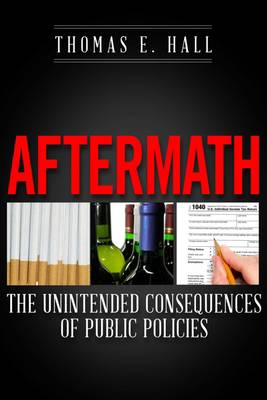
When government imposes new taxes, rules, or regulations, it creates outcomes that often differ from the original intent. In some cases, these outcomes are so severe that they render the policy a failure. The law of unintended consequences has taken on an increasing importance during the era of ever-expanding government, and this book explores four important examples: cigarette taxes, alcohol prohibition, the minimum wage, and federal income tax. Thomas E. Hall examines how the policies came into being, what underlying political considerations influenced the process, the unintended outcomes of the policies, and why many of these policies are still in place. Because many of these unintended consequences are seriously adverse, the author argues that the moral of these four key examples is that whenever a new government policy is being considered, much more detailed review must be given to the range of potential unintended consequences--a practice that is rarely or accurately undertaken.
Specificaties
Betrokkenen
- Auteur(s):
- Uitgeverij:
Inhoud
- Aantal bladzijden:
- 114
- Taal:
- Engels
Eigenschappen
- Productcode (EAN):
- 9781939709387
- Verschijningsdatum:
- 7/09/2014
- Uitvoering:
- Hardcover
- Formaat:
- Genaaid
- Afmetingen:
- 161 mm x 242 mm
- Gewicht:
- 367 g


Alleen bij Standaard Boekhandel
+ 44 punten op je klantenkaart van Standaard Boekhandel
Cadeau

AANGERADEN


Beoordelingen
We publiceren alleen reviews die voldoen aan de voorwaarden voor reviews. Bekijk onze voorwaarden voor reviews.