


- Afhalen na 1 uur in een winkel met voorraad
- Gratis thuislevering in België vanaf € 30
- Ruim aanbod met 7 miljoen producten
- Afhalen na 1 uur in een winkel met voorraad
- Gratis thuislevering in België vanaf € 30
- Ruim aanbod met 7 miljoen producten





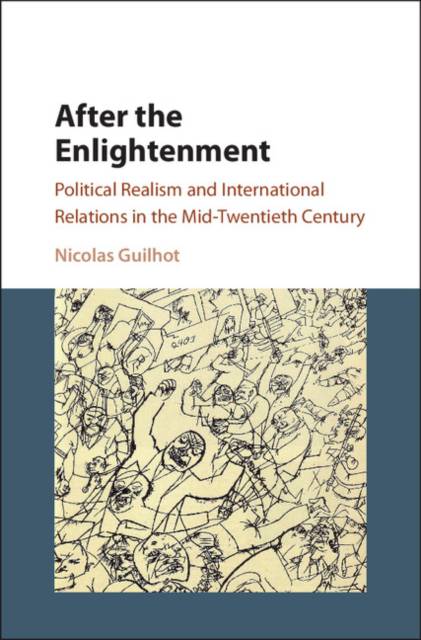
After the Enlightenment
Political Realism and International Relations in the Mid-Twentieth Century
Nicolas Guilhot
Paperback | Engels
€ 53,45
+ 106 punten
Uitvoering
Eenvoudig bestellen
Veilig betalen


Gratis thuislevering vanaf € 30 (via bpost)
Gratis levering in je Standaard Boekhandel
Omschrijving
After the Enlightenment is the first attempt at understanding modern political realism as a historical phenomenon. Realism is not an eternal wisdom inherited from Thucydides, Machiavelli or Hobbes, but a twentieth-century phenomenon rooted in the interwar years, the collapse of the Weimar Republic, and the transfer of ideas between Continental Europe and the United States. The book provides the first intellectual history of the rise of realism in America, as it informed policy and academic circles after 1945. It breaks through the narrow confines of the discipline of international relations and resituates realism within the crisis of American liberalism. Realism provided a new framework for foreign policy thinking and transformed the nature of American democracy. This book sheds light on the emergence of 'rational choice' as a new paradigm for political decision-making and speaks to the current revival in realism in international affairs.
Specificaties
Betrokkenen
- Auteur(s):
- Uitgeverij:
Inhoud
- Aantal bladzijden:
- 264
- Taal:
- Engels
Eigenschappen
- Productcode (EAN):
- 9781316621110
- Verschijningsdatum:
- 24/04/2017
- Uitvoering:
- Paperback
- Formaat:
- Trade paperback (VS)
- Afmetingen:
- 160 mm x 232 mm
- Gewicht:
- 390 g



Alleen bij Standaard Boekhandel
+ 106 punten op je klantenkaart van Standaard Boekhandel
CADEAU

AANGERADEN


Beoordelingen
We publiceren alleen reviews die voldoen aan de voorwaarden voor reviews. Bekijk onze voorwaarden voor reviews.