


- Afhalen na 1 uur in een winkel met voorraad
- Gratis thuislevering in België vanaf € 30
- Ruim aanbod met 7 miljoen producten
- Afhalen na 1 uur in een winkel met voorraad
- Gratis thuislevering in België vanaf € 30
- Ruim aanbod met 7 miljoen producten




€ 20,99
+ 20 punten
Uitvoering
Omschrijving
'The twenty-first century’s counterpart to Hobbes’s Leviathan.’ EMMANUELE COCCIA
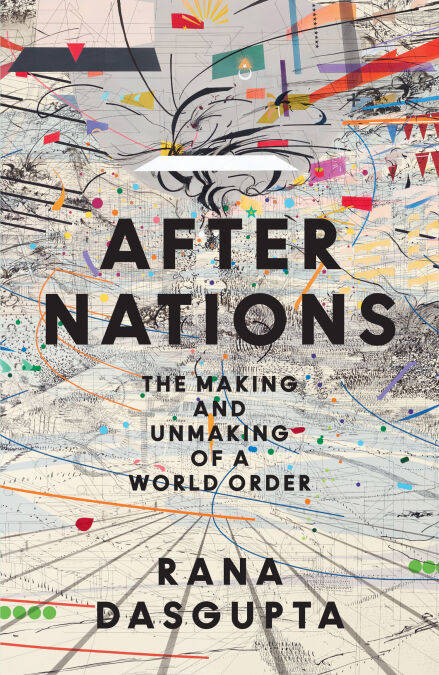
What has happened to the nation-state? From a prizewinning writer, After Nations offers a sweeping history of this most unquestioned of modern structures and a bold speculation about its future.
Until recently, the system of nation-states appeared settled and eternal. Not anymore. As American hegemony unwinds and Western countries slide into anxiety and debt, there is a resurgence of tyranny, imperialism and war. It is no longer clear that states can continue delivering ‘normal’ services, let alone defeat inequality and climate change. Even in rich countries, many feel they are being progressively neglected; in some parts of the world, populations are entirely abandoned by nation-states and must build systems of their own.
Rana Dasgupta traces the formation and rise of the nation-state system to explain its multiple failures today. He takes us from the fall of ancient empires and the expansion of European concepts of money and law right up to the emergence of twenty-first-century tech firms – the first significant new geopolitical actors to emerge since the inception of nation-states – and the epochal restoration of Chinese power. He posits that the time has come to develop a new conception of citizenship, law, and economy—one that corresponds to our globalized and ecologically fragile condition.
Richly detailed, urgent and told with remarkable clarity, After Nations is an essential text for anyone looking to understand why we seem to be losing our political hold on the world, and how we might try to restore it.
What has happened to the nation-state? From a prizewinning writer, After Nations offers a sweeping history of this most unquestioned of modern structures and a bold speculation about its future.
Until recently, the system of nation-states appeared settled and eternal. Not anymore. As American hegemony unwinds and Western countries slide into anxiety and debt, there is a resurgence of tyranny, imperialism and war. It is no longer clear that states can continue delivering ‘normal’ services, let alone defeat inequality and climate change. Even in rich countries, many feel they are being progressively neglected; in some parts of the world, populations are entirely abandoned by nation-states and must build systems of their own.
Rana Dasgupta traces the formation and rise of the nation-state system to explain its multiple failures today. He takes us from the fall of ancient empires and the expansion of European concepts of money and law right up to the emergence of twenty-first-century tech firms – the first significant new geopolitical actors to emerge since the inception of nation-states – and the epochal restoration of Chinese power. He posits that the time has come to develop a new conception of citizenship, law, and economy—one that corresponds to our globalized and ecologically fragile condition.
Richly detailed, urgent and told with remarkable clarity, After Nations is an essential text for anyone looking to understand why we seem to be losing our political hold on the world, and how we might try to restore it.
Specificaties
Betrokkenen
- Auteur(s):
- Uitgeverij:
Inhoud
- Aantal bladzijden:
- 784
- Taal:
- Engels
Eigenschappen
- Productcode (EAN):
- 9780008639761
- Verschijningsdatum:
- 25/02/2026
- Uitvoering:
- E-book
- Beveiligd met:
- Adobe DRM
- Formaat:
- ePub


Alleen bij Standaard Boekhandel
+ 20 punten op je klantenkaart van Standaard Boekhandel
CADEAU

AANGERADEN


Beoordelingen
We publiceren alleen reviews die voldoen aan de voorwaarden voor reviews. Bekijk onze voorwaarden voor reviews.