



Je cadeautjes zeker op tijd in huis hebben voor de feestdagen? Kom langs in onze winkels en vind het perfecte geschenk!
- Afhalen na 1 uur in een winkel met voorraad
- Gratis thuislevering in België vanaf € 30
- Ruim aanbod met 7 miljoen producten
Je cadeautjes zeker op tijd in huis hebben voor de feestdagen? Kom langs in onze winkels en vind het perfecte geschenk!
- Afhalen na 1 uur in een winkel met voorraad
- Gratis thuislevering in België vanaf € 30
- Ruim aanbod met 7 miljoen producten





€ 47,95
+ 95 punten
Omschrijving
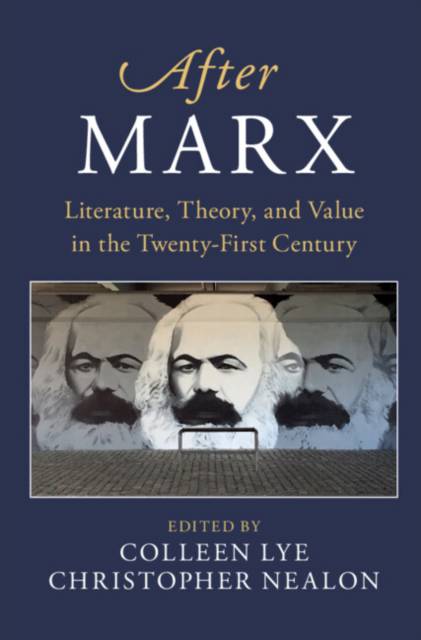
After Marx: Literature, Theory and Value demonstrates the importance of Marxist literary and cultural criticism for an era of intersectional politics and economic decline. The volume includes fresh approaches to reading poetry, fiction, film and drama, from Shakespeare to contemporary literature, and shows how Marxist literary criticism improves our understanding of racial capitalism, feminist politics, colonialism, deindustrialization, high-tech labor, ecological crisis, and other issues. A key innovation of the volume's essays is how they attend to Marx's theory of value. For Marx, capitalist value demands a range of different kinds of labor as well as unemployment. This book shows the importance of Marxist approaches to literature that reach beyond simply demonstrating the revolutionary potential or the political consciousness of a 19th-century-style industrial working class. After Marx makes an argument for the twenty-first century interconnectedness of widely different literary genres, and far-flung political struggles.
Specificaties
Betrokkenen
- Uitgeverij:
Inhoud
- Aantal bladzijden:
- 272
- Taal:
- Engels
- Reeks:
Eigenschappen
- Productcode (EAN):
- 9781108702249
- Verschijningsdatum:
- 17/03/2022
- Uitvoering:
- Paperback
- Formaat:
- Trade paperback (VS)
- Afmetingen:
- 152 mm x 229 mm
- Gewicht:
- 403 g


Alleen bij Standaard Boekhandel
+ 95 punten op je klantenkaart van Standaard Boekhandel
CADEAU


Beoordelingen
We publiceren alleen reviews die voldoen aan de voorwaarden voor reviews. Bekijk onze voorwaarden voor reviews.