


- Afhalen na 1 uur in een winkel met voorraad
- Gratis thuislevering in België vanaf € 30
- Ruim aanbod met 7 miljoen producten
- Afhalen na 1 uur in een winkel met voorraad
- Gratis thuislevering in België vanaf € 30
- Ruim aanbod met 7 miljoen producten





€ 169,60
+ 339 punten
Omschrijving
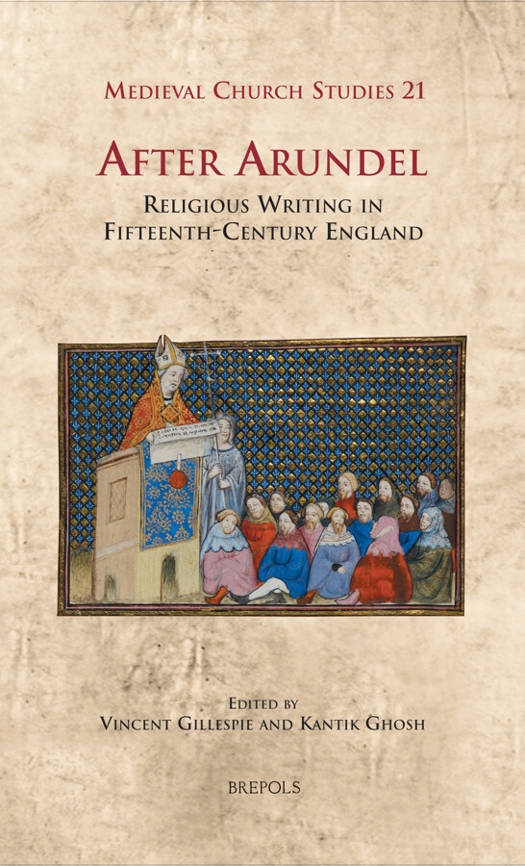
England's religious life in the fifteenth century is worthy of sustained, nuanced, and meticulous analysis. This book offers a portrait of late medieval English religious theory and praxis that complicates any attempt to present the period as either quivering in the post-traumatic stress of Lollardy, or basking in the autumn sunshine of an uncritical and self-satisfied hierarchy's failure to engage with undoubted European and domestic crises in ecclesiology, pastoral theology, anti-clericalism, and lay spiritual emancipation. After Arundel means not just because of or despite Archbishop Arundel (and the repressive legislation associated with him), for it also asks what models and taxonomies will be needed to move beyond Arundel as a fixed star in the firmament of (especially literary) scholarship in the period. It aims to supply the next phase of scholarly exploration of this still often dark continent of religious attitudes and writing with new tools and technical vocabularies, as well as to suggest new directions of travel.
Specificaties
Betrokkenen
- Auteur(s):
- Uitgeverij:
Inhoud
- Aantal bladzijden:
- 657
- Taal:
- Frans
- Reeks:
- Reeksnummer:
- nr. 21
Eigenschappen
- Productcode (EAN):
- 9782503534022
- Verschijningsdatum:
- 2/02/2012
- Uitvoering:
- Hardcover
- Formaat:
- Ongenaaid / garenloos gebonden
- Afmetingen:
- 168 mm x 241 mm
- Gewicht:
- 1315 g


Alleen bij Standaard Boekhandel
+ 339 punten op je klantenkaart van Standaard Boekhandel
Cadeau

AANGERADEN


Beoordelingen
We publiceren alleen reviews die voldoen aan de voorwaarden voor reviews. Bekijk onze voorwaarden voor reviews.