


- Afhalen na 1 uur in een winkel met voorraad
- Gratis thuislevering in België vanaf € 30
- Ruim aanbod met 7 miljoen producten
- Afhalen na 1 uur in een winkel met voorraad
- Gratis thuislevering in België vanaf € 30
- Ruim aanbod met 7 miljoen producten





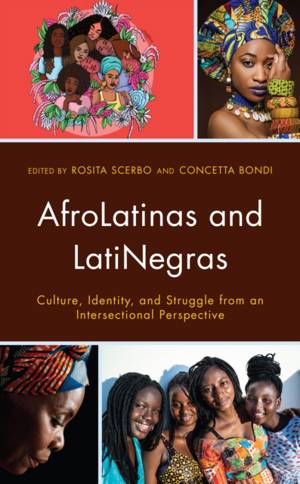
Afrolatinas and Latinegras
Culture, Identity, and Struggle from an Intersectional Perspective
€ 203,95
+ 407 punten
Omschrijving
AfroLatinas as a subject of scholarship are woefully underrepresented, and this edited volume, AfroLatinas and LatiNegras: Culture, Identity, and Struggle from an Intersectional Perspective, offers an important and timely intervention. The consistent attention to AfroLatinas' agency across all the chapters is empowering and attentive to the difficult circumstances of asserting that agency, and to the tremendous breadth of what agency can look like. The authors argue for the analytical power of the concept of Intersectionality while considering the hegemonic pressures on AfroLatinidad and the essentializing moves that an intersectional approach enables: evading, overthrowing, and resisting systems of power. Through the study of multiple cultural expressions of Blackness, such as photography, colonial inquisition records, dance, music, fiction, non-fiction, poetic memoir, and religious expression, and throughout different region of the Americas, the chapter contributors of this book consider the relationship that social and historical processes, such as sovereignty and colonialism, have on narrative and cultural production. Rosita Scerbo, Concetta Bondi, and the contributors acknowledge that racial and gender equity cannot exist without Intersectionality, and the inclusion of activist voices broadens this volume's reach and links theory to praxis.
Specificaties
Betrokkenen
- Uitgeverij:
Inhoud
- Aantal bladzijden:
- 286
- Taal:
- Engels
- Reeks:
Eigenschappen
- Productcode (EAN):
- 9781666910339
- Verschijningsdatum:
- 1/12/2022
- Uitvoering:
- Hardcover
- Formaat:
- Genaaid
- Afmetingen:
- 152 mm x 229 mm
- Gewicht:
- 589 g

Alleen bij Standaard Boekhandel
+ 407 punten op je klantenkaart van Standaard Boekhandel
Cadeau

AANGERADEN


Beoordelingen
We publiceren alleen reviews die voldoen aan de voorwaarden voor reviews. Bekijk onze voorwaarden voor reviews.