


- Afhalen na 1 uur in een winkel met voorraad
- Gratis thuislevering in België vanaf € 30
- Ruim aanbod met 7 miljoen producten
- Afhalen na 1 uur in een winkel met voorraad
- Gratis thuislevering in België vanaf € 30
- Ruim aanbod met 7 miljoen producten





Omschrijving
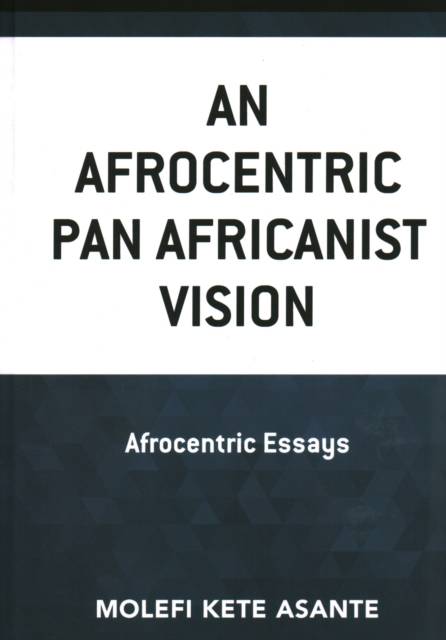
In An Afrocentric Pan Africanist Vision: Afrocentric Essays, Molefi Kete Asante, engages the age-old debate on Pan Africanism by providing an innovative orientation to the established discourse developed during the twentieth century. Asante opens an interrogation of the Padmorian tradition of a socialist Pan Africanism by suggesting that a deeper entry into the histories and narratives of the literary, economic, social, and spiritual values of the thousands of African societies scattered throughout the world could sustain a different agency analysis of Pan Africanism without grafting an external idea on the unity of Africa. Using his vast knowledge of the history of Africa, Asante suggests that the African renaissance cannot take place unless there is a commitment to creating an African community conscious of its own myths, origins, and economic, cultural, and philosophical traditions.
Specificaties
Betrokkenen
- Auteur(s):
- Uitgeverij:
Inhoud
- Aantal bladzijden:
- 178
- Taal:
- Engels
- Reeks:
Eigenschappen
- Productcode (EAN):
- 9781793628954
- Verschijningsdatum:
- 29/10/2020
- Uitvoering:
- Hardcover
- Formaat:
- Genaaid
- Afmetingen:
- 152 mm x 229 mm
- Gewicht:
- 435 g


Alleen bij Standaard Boekhandel
+ 390 punten op je klantenkaart van Standaard Boekhandel

Beoordelingen
We publiceren alleen reviews die voldoen aan de voorwaarden voor reviews. Bekijk onze voorwaarden voor reviews.