


- Afhalen na 1 uur in een winkel met voorraad
- Gratis thuislevering in België vanaf € 30
- Ruim aanbod met 7 miljoen producten
- Afhalen na 1 uur in een winkel met voorraad
- Gratis thuislevering in België vanaf € 30
- Ruim aanbod met 7 miljoen producten




€ 38,45
Uitvoering
Omschrijving
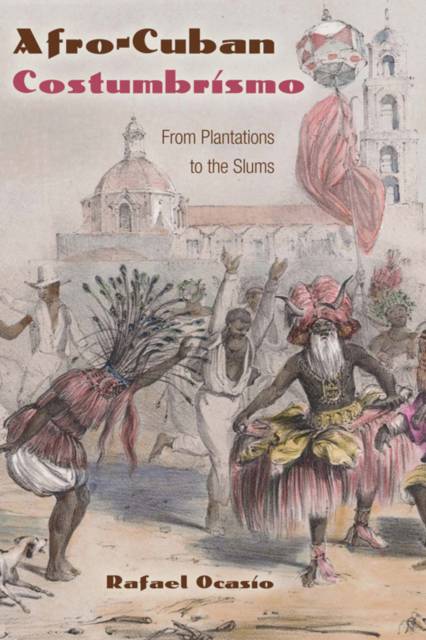
"Ocasio has found a mid-point between the vision of Costumbrista writing as a source of the Afro-Cuban historical and literary experience and criticizing it for its biases and shortfalls regarding early depictions of blacks. An interesting interdisciplinary blend of literature through a sociological historical optic."--Dawn Duke, University of Tennessee Costumbrismo, which refers to depictions of life in Latin America during the nineteenth century, introduced some of the earliest black themes in Cuban literature. Rafael Ocasio delves into this literature to offer up a new perspective on the development of Cuban identity, as influenced by black culture and religion, during the sugar cane boom. Comments about the slave trade and the treatment of slaves were often censored in Cuban publications; nevertheless white Costumbrista writers reported on a vast catalogue of stereotypes, religious beliefs, and musical folklore, and on rich African traditions in major Cuban cities. Exploring rare and seldom discussed nineteenth-century texts, Ocasio offers insight into the nuances of black representation in Costumbrismo while analyzing authors such as Suárez y Romero, an abolitionist who wrote from the perspective of a plantation owner. Afro-Cuban Costumbrismo expands the idea of what texts constitute Costumbrismo and debunks the traditional notion that this writing reveals little about the Afro-Cuban experience. The result is a novel examination of how white writers' representations of black culture heavily inform our current understanding of nineteenth-century Afro-Cuban culture and national identity. Rafael Ocasio is Charles A. Dana Professor of Spanish at Agnes Scott College and the author of two books about Reinaldo Arenas, Cuba's Political and Sexual Outlaw and A Gay Cuban Activist in Exile.
Specificaties
Betrokkenen
- Auteur(s):
- Uitgeverij:
Inhoud
- Aantal bladzijden:
- 252
- Taal:
- Engels
Eigenschappen
- Productcode (EAN):
- 9780813061764
- Verschijningsdatum:
- 15/07/2015
- Uitvoering:
- Paperback
- Formaat:
- Trade paperback (VS)
- Afmetingen:
- 152 mm x 229 mm
- Gewicht:
- 371 g


Alleen bij Standaard Boekhandel
Cadeau

AANGERADEN


Beoordelingen
We publiceren alleen reviews die voldoen aan de voorwaarden voor reviews. Bekijk onze voorwaarden voor reviews.