


- Afhalen na 1 uur in een winkel met voorraad
- Gratis thuislevering in België vanaf € 30
- Ruim aanbod met 7 miljoen producten
- Afhalen na 1 uur in een winkel met voorraad
- Gratis thuislevering in België vanaf € 30
- Ruim aanbod met 7 miljoen producten





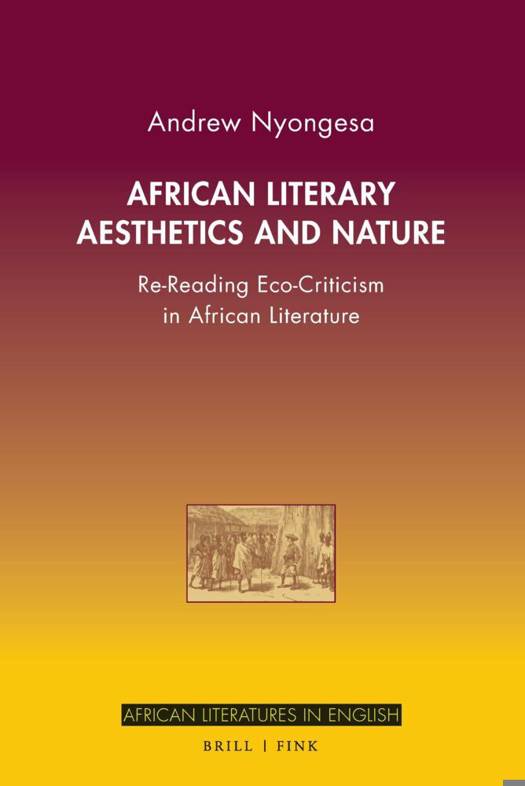
African Literary Aesthetics and Nature
Re-Reading Eco-Criticism in African Literature
Andrew Nyongesa
€ 112,45
+ 224 punten
Omschrijving
Despite the literary transition from modernist to postmodernist canons such as eco-criticism, Western modernist scholarship pervades their theorization, which contradicts African perspectives on the ecological environment. While Western scholarship is based on binaries that present nature as a separate other, African thought elevates the ecological environment as equal or better than humankind. This book cross-examines the major tenets of eco-criticism to evaluate their relevance to African Literature. Using postcolonial theory, the study interrogates contemporary tenets that dismiss as "homocentric" any literary works that adopt images from the ecological environment for aesthetic expression. The texts under study are Saadawi's Love in the Kingdom of Oil, Amadi's The Concubine, Ngugi's The River Between, Bitek's Song of Lawino, poems from Tendai and Purifacacao's 2017 Anthology and selected works of African folklore such as jokes, proverbs and songs from books and social media.
Specificaties
Betrokkenen
- Auteur(s):
- Uitgeverij:
Inhoud
- Taal:
- Engels
- Reeks:
- Reeksnummer:
- nr. 5
Eigenschappen
- Productcode (EAN):
- 9783770569984
- Verschijningsdatum:
- 22/10/2026
- Uitvoering:
- Hardcover
- Afmetingen:
- 155 mm x 235 mm


Alleen bij Standaard Boekhandel
+ 224 punten op je klantenkaart van Standaard Boekhandel
Cadeau

AANGERADEN


Beoordelingen
We publiceren alleen reviews die voldoen aan de voorwaarden voor reviews. Bekijk onze voorwaarden voor reviews.