



Je cadeautjes zeker op tijd in huis hebben voor de feestdagen? Kom langs in onze winkels en vind het perfecte geschenk!
- Afhalen na 1 uur in een winkel met voorraad
- Gratis thuislevering in België vanaf € 30
- Ruim aanbod met 7 miljoen producten
Je cadeautjes zeker op tijd in huis hebben voor de feestdagen? Kom langs in onze winkels en vind het perfecte geschenk!
- Afhalen na 1 uur in een winkel met voorraad
- Gratis thuislevering in België vanaf € 30
- Ruim aanbod met 7 miljoen producten





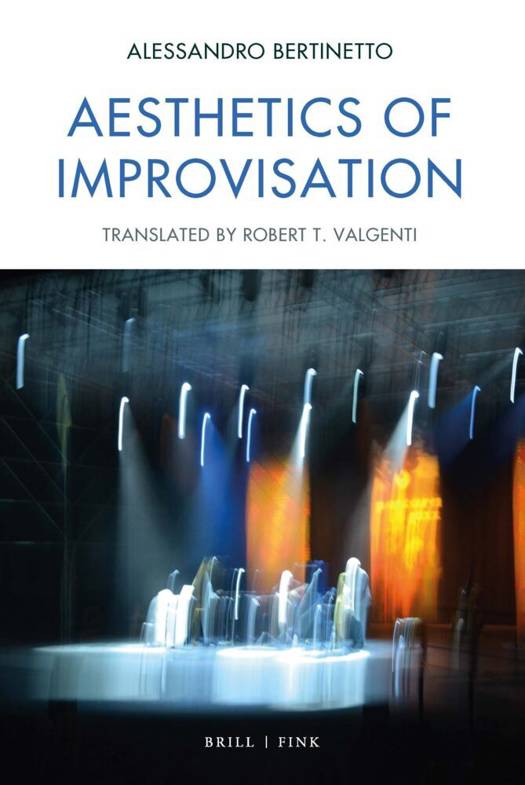
Aesthetics of Improvisation
Translated from Italian by Robert T. Valgenti
Alessandro Bertinetto
Hardcover | Engels | Contemporary Perspectives in European Philosophy / Zeitgenössische Perspektiven europäischer Philosophie | nr. 2
€ 140,95
+ 281 punten
Omschrijving
This essay develops a theory of improvisation as practice of aesthetic sense-making. While considering all arts, references are made to many concrete cases. A topic in vogue since the XX. century, as evidenced by the great philosophers who were interested in it (Ryle, Derrida, Eco among others), improvisation, a felicitous mixture of habit and creativity, norm and freedom, is constitutive of human action. Human practices - including very well-regulated activities such as playing chess, piloting airplanes, or medicine - permit and often require it to varying degrees.Improvisation is also the true source of artistic experience. Consequently, the aesthetics of improvisation result in a philosophy of art: Art was born as improvisation. Yet improvisation has its own aesthetic dimension: that of a "grammar of contingency" in which notions such as emergence, presence, curiosity and authenticity explain the pleasures of joyful adventure and empathic involvement elicited by improvisation.
Specificaties
Betrokkenen
- Auteur(s):
- Uitgeverij:
Inhoud
- Aantal bladzijden:
- 179
- Taal:
- Engels
- Reeks:
- Reeksnummer:
- nr. 2
Eigenschappen
- Productcode (EAN):
- 9783770567072
- Verschijningsdatum:
- 21/10/2022
- Uitvoering:
- Hardcover
- Formaat:
- Genaaid
- Afmetingen:
- 163 mm x 18 mm
- Gewicht:
- 4436 g



Alleen bij Standaard Boekhandel
+ 281 punten op je klantenkaart van Standaard Boekhandel
CADEAU


Beoordelingen
We publiceren alleen reviews die voldoen aan de voorwaarden voor reviews. Bekijk onze voorwaarden voor reviews.