


- Afhalen na 1 uur in een winkel met voorraad
- Gratis thuislevering in België vanaf € 30
- Ruim aanbod met 7 miljoen producten
- Afhalen na 1 uur in een winkel met voorraad
- Gratis thuislevering in België vanaf € 30
- Ruim aanbod met 7 miljoen producten





€ 55,43
+ 110 punten
Omschrijving
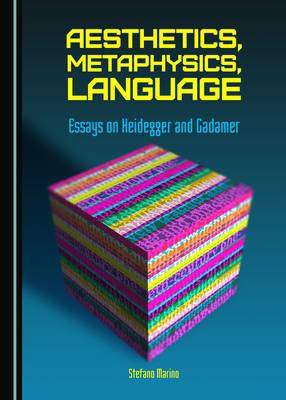
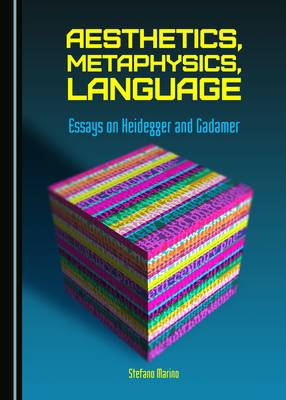
Martin Heidegger and Hans-Georg Gadamer undoubtedly belong among the most important representatives of twentieth-century phenomenological hermeneutics, which represents, in turn, one of the major traditions within so-called continental philosophy. Respectively teacher and pupil, during their long and philosophically intense lives and careers Heidegger and Gadamer greatly contributed to the development of philosophical thought in our age, providing significant and often decisive contributions in various fields of philosophical inquiry. Their main works, Being and Time (1927) and Truth and Method (1960), respectively amount to the great classics of contemporary philosophy, both being extraordinarily influential books without which the history of twentieth- and also twenty-first century philosophy as we know it would not be conceivable. This book addresses a number of problems concerning aesthetics, metaphysics, language and philosophical anthropology, by focusing on Heidegger's and Gadamer's specific contributions in these fields, and by establishing fruitful and original comparisons between their views and those of other relevant thinkers of our time, such as Hannah Arendt, Richard Rorty and John McDowell. The book adopts a comparative approach that portrays the complex philosophical problems and concepts at the core of this investigation from various points of view, thus broadening the philosophical horizon, generating a more comprehensive perspective, and underlining the compatibility of different philosophical views.
Specificaties
Betrokkenen
- Auteur(s):
- Uitgeverij:
Inhoud
- Aantal bladzijden:
- 155
- Taal:
- Engels
Eigenschappen
- Productcode (EAN):
- 9781443876506
- Verschijningsdatum:
- 20/05/2015
- Uitvoering:
- Hardcover
- Formaat:
- Genaaid
- Afmetingen:
- 150 mm x 210 mm
- Gewicht:
- 635 g


Alleen bij Standaard Boekhandel
+ 110 punten op je klantenkaart van Standaard Boekhandel
Cadeau

AANGERADEN


Beoordelingen
We publiceren alleen reviews die voldoen aan de voorwaarden voor reviews. Bekijk onze voorwaarden voor reviews.